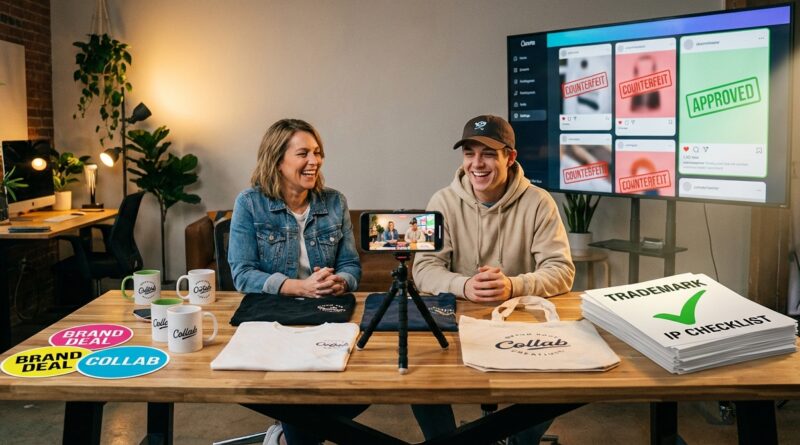
New Influencer Trademark Crackdown: How To Stop Creator Collabs From Quietly Putting Your Brand In Legal Trouble
You finally find an influencer who seems like a great fit. They love your product. They post a slick video. Sales start moving. Then you see the new court headlines and your stomach drops. If a creator can be held personally liable for promoting counterfeit goods, what happens if someone you work with posts the wrong product, uses a logo they do not have permission to use, or makes your brand look tied to a fake? That fear is real, and small businesses are right to take it seriously. The good news is you do not need to stop using creator marketing. You just need a tighter process. The recent Nike-related verdict is a loud warning that influencer trademark liability for counterfeit goods is no longer some edge-case legal drama for celebrity creators. It is a practical business risk for any shop owner mailing samples, approving posts, or reposting creator content on Instagram, TikTok, YouTube Shorts, or Facebook.
⚡ In a Hurry? Key Takeaways
- Yes, influencer campaigns can create trademark risk for your business, especially if posts involve counterfeit goods, copied packaging, or unauthorized logo use.
- Before any collab, verify the creator, confirm product sourcing, put posting rules in writing, and save screenshots of approvals and permissions.
- A simple review process now can help you avoid lawsuits, payment processor holds, takedowns, and social account trouble later.
Why this suddenly feels scarier
For years, many brands treated influencer marketing like a casual extension of word-of-mouth. Send product. Offer a code. Approve a draft if you have time. Hope for the best.
That old, loose approach is getting riskier.
Recent trademark cases are sending a message that courts and major brands are willing to look beyond the factory, distributor, or seller. They are also looking at who helped market the goods, especially if the promotion made fake products look real or helped buyers trust the listing.
That matters because trademark law is not just about who physically made the item. It can also involve who promoted it, misrepresented it, or used branding in a confusing way.
What “trademark liability” can mean in plain English
When people hear “trademark,” they often think only of logos. It is wider than that.
Trademark infringement
This is the basic problem. Someone uses a brand name, logo, slogan, or other protected mark in a way that is likely to confuse buyers.
Trade dress infringement
This covers the look and feel of a product or packaging. Think signature sneaker design cues, a recognizable bottle shape, or packaging colors that scream one specific brand.
Counterfeiting
This is the nastier version. It usually means using a mark that is identical or very close to a real one on goods that are not authentic.
If a creator posts “must-have Nike drops” while pushing fake sneakers, the legal problem is obvious. But smaller brands can get dragged in too. Maybe an influencer mixes your real item with a knockoff accessory. Maybe they shoot your product next to counterfeit branded goods. Maybe they use another company’s logo in a giveaway graphic without permission. Suddenly your campaign is part of the evidence trail.
Why small brands should care, even if you do not sell luxury goods
You do not need to be a global sneaker giant for this to hurt.
Most small businesses face a different version of the same problem. You might not get hit with a massive federal lawsuit tomorrow, but you can still run into expensive, ugly fallout:
- Marketplace takedowns
- Instagram or TikTok content removals
- Payment processor freezes
- Wholesale partner complaints
- Cease-and-desist letters
- Ad account restrictions
- Customers accusing you of selling fakes or copied goods
And once trust takes a hit, fixing it is much harder than preventing it.
The biggest influencer trademark liability counterfeit goods risks
1. The creator sources “dupes” or mixed inventory
This is a big one. A creator may have a feed full of affiliate links, gifted items, resale finds, and marketplace purchases. If they casually mix your authentic product with counterfeit or copycat goods in one post, your brand can end up in a legal and reputational mess.
2. They use brand assets you never approved
You send a product photo. They build a promo graphic using third-party logos, celebrity images, or copied packaging shots pulled from Google. That can create IP trouble fast.
3. They imply an endorsement that does not exist
A creator might write captions that make it sound like your brand is officially partnered with another company, designer, sports team, or retailer when it is not.
4. They repost fake customer claims or misleading comparisons
Posts like “same as Brand X but cheaper” or “basically the Nike version without the price” can invite trademark complaints if they go too far or create confusion.
5. You repost their content without checking it
This catches brands all the time. The creator posts something risky. Then the brand shares it to Stories, uses it in ads, or puts it on a product page. Now you are no longer a bystander. You helped spread it.
A safer process for every creator collab
You do not need a legal department. You need a checklist.
Step 1: Vet the creator before you send anything
Look at more than follower count.
- Review their last 20 to 30 posts
- Check whether they promote “dupes,” replicas, or suspicious luxury deals
- See if they regularly use other brands’ logos in thumbnails or captions
- Look for deleted-post drama, callouts, or comment section complaints
- Confirm their email, business name, and payment details match a real person or entity
If their feed is full of “looks just like” products and mystery links, move on.
Step 2: Confirm exactly what product is being shown
Do not assume the creator will use only what you sent. Ask them to confirm:
- The exact SKU or item name
- Whether they will style it with any branded third-party products
- Whether they are filming with retail packaging, custom packaging, or mockups
- Whether they plan to mention competitor brands
If they are showcasing your product alongside anything that could be fake, copied, or unlicensed, stop the post before it goes live.
Step 3: Put posting rules in writing
This does not need to be a scary 20-page contract for every micro-influencer. Even a short written agreement is better than a friendly DM thread.
Your terms should cover:
- Only authentic, approved products may appear in the content
- No use of third-party logos, music, images, or packaging unless properly licensed
- No claims of official endorsement beyond the actual relationship
- No comparisons that suggest your product is another brand’s product
- Your right to review and reject content before posting
- Your right to require edits or removal
- The creator confirms they have rights to all content they upload
If you ever need to show that you took reasonable steps, this paper trail helps.
Step 4: Approve the actual post, not just the idea
“Looks good” is not enough if you only saw a rough concept.
Review the final caption, hashtags, tags, visuals, product links, discount code language, and any on-screen text. This is where small mistakes become legal headaches.
Pay extra attention to:
- Brand tags
- Logo placement
- Product packaging shown in the background
- Words like “official,” “authentic,” “licensed,” or “exclusive”
- Screenshots of listings or reseller pages
Step 5: Save receipts
Keep a folder for each campaign.
- Contract or email terms
- Shipping records
- Approved drafts
- Final post screenshots
- Product details sent to the creator
- Any requests for edits or takedowns
If a complaint arrives three months later, you do not want to rely on memory.
What to tell influencers before they post
Most creators are not trying to land you in trouble. They just work fast, recycle templates, and are used to casual brand deals. Give them clear rules in normal language.
You can say something like this:
“Please show only the product we sent. Do not include third-party branded items, logos, or packaging unless we approve them first. Do not describe this as official, licensed, or endorsed by any other brand unless we have said that in writing. Send us the final caption and video before posting.”
That alone can prevent a lot of mess.
Red flags that should make you pause a collab
- The creator has promoted replicas, dupes, or “inspired by” items in the past
- They resist pre-approval of captions or creative
- They want to use your brand next to luxury or sports logos for “aesthetic” reasons
- Their affiliate links go to sketchy marketplaces with unclear sellers
- They cannot explain where featured products came from
- They use copied photos or watermarked content from other accounts
If you see two or three of these at once, trust your gut.
If a risky post is already live, do this now
Do not panic. Move quickly and calmly.
1. Screenshot everything
Capture the post, caption, comments, tags, timestamps, and linked products.
2. Ask for immediate removal or edits
Be direct and specific. Tell the creator exactly what must come down or change.
3. Stop boosting or reposting it
If you put ad spend behind it or repost it yourself, your exposure may grow.
4. Review your own channels
Make sure the content is not sitting on your site, email campaigns, ads, or social feeds.
5. Talk to a lawyer if the complaint is serious
Especially if there is an allegation involving counterfeit goods, willful infringement, or a formal legal notice from a brand owner.
This is not just a legal issue. It is an operations issue.
The brands that handle this well usually do one simple thing. They treat influencer campaigns like part of normal business operations, not like random social posts.
That means someone owns the checklist. Someone reviews posts. Someone stores approvals. Someone watches for account or payment issues after a complaint.
You are not being difficult. You are being organized.
At a Glance: Comparison
| Feature/Aspect | Details | Verdict |
|---|---|---|
| Creator vetting | Check past posts for dupes, fake goods, copied visuals, and unclear sourcing before sending product. | Do this every time. It is your first line of defense. |
| Written posting rules | Set clear limits on logos, third-party brands, product claims, and approval rights in email or contract form. | Essential. Friendly DMs are not enough. |
| Documentation | Save approvals, screenshots, shipping records, and final post copies in one folder per campaign. | High value. It can save time, money, and stress if a complaint lands. |
Conclusion
The recent verdict against a social media influencer in a Nike counterfeiting case is a wake-up call, but it does not mean you need to abandon creator marketing. It means the sloppy version is no longer safe enough. Brands are enforcing IP more aggressively, and that reaches far beyond celebrity influencers and giant agencies. It touches every founder sending free product to a micro-influencer on TikTok or Instagram. If you build a simple process to vet partners, approve posts carefully, and document who had permission to use what, you can keep the reach and trust that creator content brings without turning every collab into a legal gamble. Right now, while fear is high and most coverage is written like a law school lecture, the practical move is simple. Slow down a little, get clear in writing, and make sure the content attached to your brand is actually something you would want a judge, a payment processor, and your customers to see.