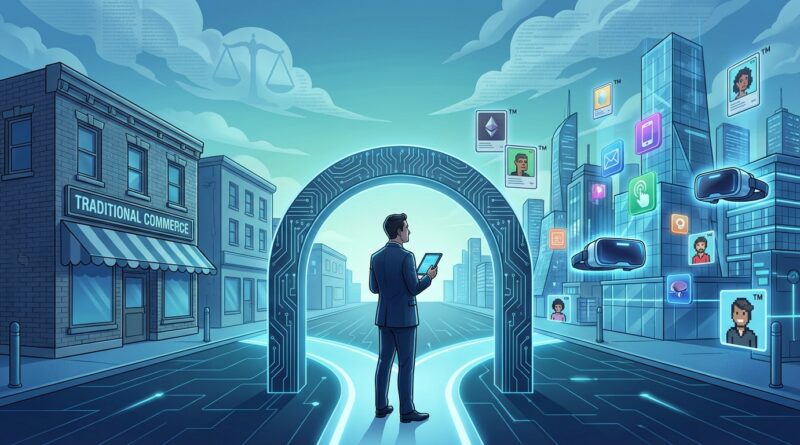
New Trademark Rules For Virtual Goods: Why Your ‘.com Brand’ Is Not Automatically Protected In The Metaverse
You can do everything “right” with your brand, buy the domain, register a trademark for your physical products, build a following, then still get blindsided when someone starts selling your name on a virtual hoodie, an NFT pass, or a game item. That is the part that catches founders off guard, and honestly, it feels unfair. A lot of businesses assume a .com brand or an old trademark filing covers the whole internet. It does not. Trademark law usually cares about what goods and services you actually registered, and virtual goods are now being treated as their own category in many cases. So if your current filing covers shoes, coffee, cosmetics, or consulting, that may not automatically stop somebody from using a similar brand for downloadable digital products, virtual storefronts, or blockchain-based collectibles. The gap is real, and copycats are getting faster at finding it.
⚡ In a Hurry? Key Takeaways
- Owning a trademark for physical products or a .com domain does not automatically give you trademark protection for virtual goods and digital products.
- Check whether your filings cover downloadable virtual goods, NFTs, virtual retail services, entertainment services, or fan tokens, then file new applications if they do not.
- Waiting until someone copies you inside a game, marketplace, or token project usually makes the fix slower, more expensive, and less certain.
Why this keeps happening
Most small and mid-size businesses filed their trademarks before “virtual goods” became a normal thing. Their paperwork was written for the real-world version of the business. T-shirts. Software. Retail shops. Food products. Beauty products. Events.
Now customers spend hours in game platforms, creator marketplaces, virtual worlds, Discord communities, and token-based fan spaces. That has pushed trademark offices and courts to look more closely at whether a mark covers digital items as a separate use, instead of treating it as a simple extension of the physical product.
That is where the trouble starts. If your registration says you sell handbags, that does not always mean you are covered for downloadable virtual handbags used by avatars. If you run a clothing brand, that does not always mean your mark is protected for skins, digital wearables, or branded NFT collectibles.
What “virtual goods” usually means in trademark terms
This is where legal language gets annoyingly specific. “Virtual goods” often means downloadable digital items that people can buy, own, use, or display online. Think:
- Avatar clothing and skins
- Digital art and collectibles
- NFT-authenticated files
- Virtual accessories, furniture, or vehicles
- Downloadable media linked to fan communities
- Branded items used in games or metaverse-style spaces
There may also be separate filings for related services, such as:
- Running a virtual store
- Offering entertainment in a virtual world
- Issuing fan tokens or membership tokens
- Providing online non-downloadable virtual environments
That is why trademark protection for virtual goods and digital products has become a real planning issue, not just a niche one for crypto companies.
The .com misunderstanding
Buying the domain helps with branding. It does not replace trademark rights.
If you own GreatBrand.com, that does not automatically block GreatBrand NFTs, GreatBrand skins, or GreatBrand token clubs. A domain name is basically an address. A trademark is about brand use in connection with goods and services.
Lots of founders mix these up because both involve names. But legally, they do very different jobs.
Why trademark offices are asking for more detail now
Recent guidance in several places has pushed applicants to describe virtual goods clearly. Offices do not want vague phrases like “digital items” if they can avoid it. They want to know what the goods are and how they are delivered.
Example of the difference
“Clothing” is one thing. “Downloadable virtual clothing for use in online virtual worlds” is another. They sound related because they are. But for filing purposes, they may not be treated as the same bucket.
The same goes for artwork versus downloadable digital art authenticated by NFTs, or retail store services versus online retail services featuring virtual goods.
This does not mean every brand needs a huge pile of new filings. It does mean you should stop assuming your old registration covers every newer format.
How to stress-test your current protection
You do not need to be a trademark lawyer to do a first-pass check. Start with these questions.
1. What exactly is registered right now?
Pull your trademark records and read the goods and services line by line. Not the marketing version. The actual filing language.
Look for terms like:
- downloadable software
- downloadable digital files
- virtual goods
- NFTs or non-fungible tokens
- online retail store services featuring virtual goods
- entertainment services provided in virtual environments
If none of that is there, you may have a gap.
2. Where does your audience spend time now?
If your customers are active in Roblox-style platforms, gaming ecosystems, creator marketplaces, or token-based communities, your risk is higher. Bad actors go where attention goes.
3. Are you planning digital launches in the next 12 months?
You do not need to be deep into Web3 to have exposure. A simple branded digital collectible, membership badge, game skin, or online fan pass can raise trademark questions.
4. Could a copycat plausibly monetize your name digitally?
If the answer is yes, that is your sign to look harder. A lot of infringement starts with “unofficial fan” projects that suddenly become very commercial.
Common situations where businesses need a fresh filing
You may want to talk to a trademark professional if any of these sound like you:
- You sell physical goods now but want to release digital twins or avatar versions.
- You plan to issue NFT-backed collectibles, certificates, or access passes.
- You are opening a virtual store or branded game space.
- You are launching fan tokens, reward tokens, or token-gated memberships.
- You license your brand and want licensees to use it in games or digital marketplaces.
- You already found lookalike virtual products using your name.
In those cases, a fresh filing is often cleaner than trying to stretch an older registration past what it clearly says.
What founders get wrong about NFTs and fan tokens
The big mistake is treating all blockchain projects as “just marketing.” Sometimes they are. But if people can buy, trade, download, collect, redeem, or use those items as branded digital products, trademark questions show up fast.
Also, “NFT” is not magic legal dust. Trademark offices generally care more about the underlying item or service than the buzzword itself. Is it downloadable art? A membership token? A digital certificate tied to merchandise? A ticket? A game asset? Those details matter.
What happens if you wait too long
Nothing dramatic, until suddenly it is dramatic.
A copycat launches first. A marketplace asks you for proof of rights in the digital category. Your old registration is too narrow. Your takedown request gets weaker. Or you can still fight, but now you are doing it with less certainty and more legal cost.
That does not mean you are powerless if you have not filed yet. Existing rights, reputation, unfair competition claims, and platform policies can still help. But the path is usually messier when your registration does not match the digital use you are trying to stop.
Practical steps for small and mid-size businesses
Do this now
- Make a list of your current trademarks and the classes or descriptions attached to them.
- List every digital product or service you already offer, even if it feels small.
- List what you may launch next, including collectibles, skins, memberships, tokens, and virtual stores.
- Search marketplaces and game ecosystems for your brand name plus words like NFT, token, skin, avatar, virtual, and digital collectible.
- Talk with a trademark adviser about whether new filings should cover downloadable digital goods, virtual services, or token-related activity.
Do not do this
- Do not assume your domain name solves the problem.
- Do not assume a physical product registration automatically covers the digital version.
- Do not file broad, fuzzy descriptions and hope for the best.
- Do not wait for a copycat if your launch plans are already public.
Is this only a big-brand problem?
Not at all. In some ways, smaller brands are more exposed because they often move fast, test new ideas quickly, and do not have in-house legal teams checking every category. That is exactly why this issue matters. A simple early review can save you from cleaning up a much bigger mess later.
At a Glance: Comparison
| Feature/Aspect | Details | Verdict |
|---|---|---|
| Physical goods trademark | May protect your brand for real-world products, but often does not clearly extend to downloadable virtual versions. | Useful, but not enough on its own. |
| .com domain ownership | Gives you a web address, not automatic trademark protection across NFTs, skins, tokens, or virtual marketplaces. | Good for branding, weak as legal coverage. |
| Fresh filing for virtual goods and services | Can match how your brand is actually used in digital spaces, including downloadable goods, virtual stores, and token-based offerings. | Often the safest route if digital expansion is real. |
Conclusion
If your customers now spend part of their day in games, digital marketplaces, or online communities, your trademark strategy has to follow them there. That is the real lesson from the newer guidance and cases around virtual goods, NFTs, and metaverse-style services. A lot of businesses are finding out, a bit late, that they do not fully own their name in the spaces where their audience actually hangs out. The good news is this is fixable. Pull your filings, compare them to your real digital plans, and see whether you need extra coverage for downloadable digital goods, virtual services, or fan tokens. A quick stress-test now is much cheaper than trying to claw your brand back after someone else starts selling it first.