New USPTO AI Tools Quietly Change How You Search And File Trademarks: What Small Brands Must Do Differently Today
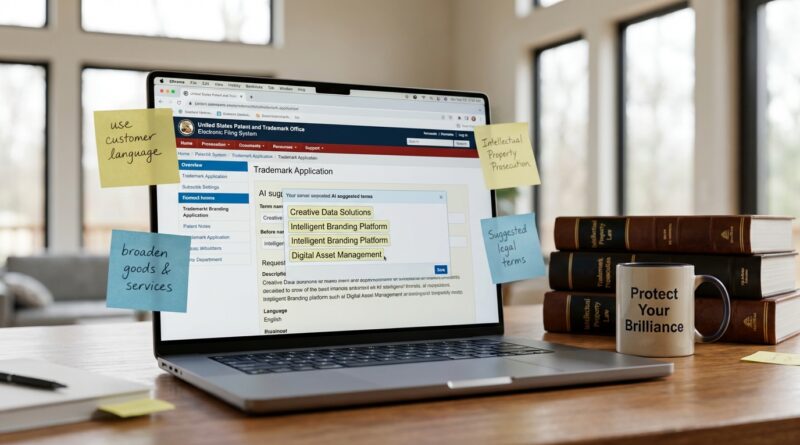
Filing a trademark is already stressful enough. Now the USPTO is starting to add AI tools that can suggest descriptions for your logo, colors, and goods or services. That sounds helpful, especially if you are a small business owner doing this yourself at night after work. But here is the catch. If you simply click “accept” on whatever the system gives you, you may end up filing language that is too narrow, too generic, or just plain off. And once that wording is in your application, fixing it later can be slow, costly, and sometimes impossible without starting over. This USPTO AI trademark search update small business owners need to know about is not really about robots taking over. It is about bad shortcuts becoming official records. Used carefully, these tools can save time. Used blindly, they can box your brand into a description that does not match what you actually sell or how customers know you.
⚡ In a Hurry? Key Takeaways
- The new USPTO AI helpers can speed up filing, but you should never accept their wording without editing it line by line.
- Check AI-written descriptions for logo details, color claims, and goods or services language so your application matches your real brand use today and near future plans.
- Early filings will influence future search results and similar records, so careful wording now can protect both your own application and the wider trademark system.
What changed at the USPTO, in plain English
The USPTO has been rolling out AI-assisted tools and pre-processing features that help organize trademark applications and suggest wording. For many applicants, the most visible change is simple. The system may now try to help describe what your mark looks like, what colors are claimed, or how to phrase your goods and services.
That sounds harmless. In some cases, it is genuinely useful. If you have ever stared at a blank form wondering whether your logo should be described as “a stylized leaf above the wording” or “design comprising a plant device,” you know why people will welcome a shortcut.
But trademark language is not decoration. It is part of the legal boundary around your brand. A weak description can create confusion later during examination, searching, enforcement, or expansion into new products.
Why small brands are at the most risk
Big companies usually have in-house counsel or outside trademark lawyers reviewing every line. Small brands often do not. They are more likely to trust whatever sounds official, especially if it comes from a government portal.
That is the danger here. AI systems are good at sounding confident. They are not always good at capturing nuance.
For example, if your mark covers handcrafted candles, room sprays, and future home fragrance refills, an AI suggestion might spit out wording that only cleanly covers “candles.” Nice and tidy. Also too narrow.
Or if your logo has a sunburst and the brand name in custom lettering, the tool may focus heavily on the picture elements and understate the stylized wording. That can make later searches less useful and may distort how your mark appears in the register.
The three places you should slow down and read every word
1. Logo descriptions
If the tool suggests a design description, ask yourself one simple question. If a stranger read this and never saw my logo, would they picture the right thing?
Watch for these common problems:
- It misses the most distinctive element.
- It describes tiny background details that do not matter.
- It uses broad terms that could fit dozens of unrelated logos.
- It gets the layout wrong, such as putting a symbol beside wording when it is really above it.
You want the description to be accurate, not poetic. It should identify the core visual features without turning into a novel.
2. Color claims
Color can be a trap. If you claim specific colors, you may be limiting the application to that version. Sometimes that is exactly what you want. Sometimes it is not.
If your brand uses different color versions across packaging, website headers, and social icons, be careful before accepting an AI-generated color statement. You may be better off filing in black and white in some situations, depending on your strategy.
This is one area where small details matter a lot. “The mark consists of blue and gold” is not just descriptive. It can shape the scope of what you filed.
3. Goods and services
This is the biggest one. An AI helper may suggest language that sounds clean but does not fit your real business. It may also push you toward very standard wording that leaves out adjacent products or planned expansions.
Read it like a customer and like an examiner. Does it describe what you actually sell? Does it include the online and physical forms if both matter? Is it too broad to be accepted, or too narrow to be useful?
If you sell downloadable meal planners today but plan to add a subscription app soon, wording matters. If you make skin serums now and expect to launch cleansers next quarter, wording matters. You get the idea.
Do not confuse “approved wording” with “good strategy”
This is where many filers get tripped up. The USPTO likes standardized identifications because they are easier to review and classify. That does not mean the first acceptable wording is the best wording for your business.
Think of it like buying a shirt in the right size but the wrong fabric. It technically fits. You still may regret it later.
A smart filing balances three things:
- It is accurate enough to be accepted.
- It is broad enough to support your real business.
- It is precise enough to avoid unnecessary problems.
How this affects trademark searching too
This is not just a filing issue. It is a search issue.
If many people start accepting AI-generated descriptions and standardized phrases without much editing, the trademark register could fill up with records that all “sound alike.” That makes clearance searching messier. Similar goods may be described in nearly identical ways. Design descriptions may become more generic. Distinctive branding details may get flattened into same-sounding text.
That means more noise in search results. More lookalike records. More time spent sorting out what is actually close and what is just described in the same robotic style.
So this USPTO AI trademark search update small business owners should care about is bigger than one form. Early users will help shape the training data and output patterns the system relies on going forward.
What to do differently right now
Start with your own plain-English draft
Before you let any system suggest wording, write your own rough description in simple language. What is in the logo? Which parts really matter? What do you sell today? What will you likely sell within the filing window you are planning for?
This gives you something to compare against. It keeps the tool from becoming the first and only voice in the room.
Treat AI suggestions like an intern’s first draft
That is the healthiest mindset. Helpful, fast, and worth reviewing. Not final.
Edit for accuracy. Tighten vague spots. Add missing product categories. Remove unnecessary decorative details. If a sentence feels oddly generic, it probably is.
Check whether the wording limits future growth
Ask yourself, “If this application registers exactly as written, will I be annoyed in 12 months?” If the answer is yes, rewrite now.
This matters a lot for growing brands. The cheapest time to fix narrow wording is before you submit.
Save copies of every suggested version
Take screenshots or keep notes. If there is confusion later about why your filing says what it says, your records may help you or your attorney understand how the wording evolved.
Know when to get human help
If your mark is central to your business, if you are choosing between color and black-and-white filing, if your goods cross multiple classes, or if you are already seeing similar brands in search results, this is a good time to get legal advice.
Spending a little on review now can be much cheaper than trying to repair a weak application later.
A quick warning about “help” outside the USPTO
Whenever the filing process changes, scammers rush in. If you start getting scary emails about your trademark, domains, or urgent deadlines, slow down before clicking anything. We have already seen a rise in fake notices aimed at nervous brand owners. This guide on New Wave Of Domain Trademark Scams: How To Spot Fake ‘Urgent’ Emails Before They Steal Your Brand is worth a read, especially if you are filing for the first time.
Simple checklist before you hit submit
- Does the mark description match the actual logo, not just a machine summary?
- Did you intentionally choose whether to claim color?
- Do the goods and services cover what you sell and reasonably plan to sell?
- Did you remove language that is too narrow, too broad, or oddly generic?
- Would a future you understand why each phrase is there?
At a Glance: Comparison
| Feature/Aspect | Details | Verdict |
|---|---|---|
| AI-generated logo description | Fast starting point, but it may miss key design elements or overdescribe unimportant details. | Use it as a draft, not as final text. |
| AI-suggested goods and services | Can save time with standard wording, but may narrow your business scope or skip future offerings. | Review carefully against your real product roadmap. |
| Search impact over time | If many filings use similar AI phrasing, search results may become noisier and harder to interpret. | Better editing now helps everyone later. |
Conclusion
The good news is that these new tools do not have to be bad news for small brands. If you use them thoughtfully, they can cut hours off prep work and reduce some of the blank-page stress that makes trademark filing so intimidating. But the smart move is to stay in the driver’s seat. Read every suggested description. Edit every line that does not fit. Think past today’s filing and into next year’s business. That matters not just for your own application, but for the whole system. These AI-powered description generators and pre-processing agents are going live this month at the USPTO, and early users will quietly shape the data the system learns from. If indie founders and small legal teams steer the prompts and clean up the output now, they can avoid a wave of lookalike filings that “sound like” their brand in the register and make clearance searches uglier in 2026 and beyond, while still saving real time today.