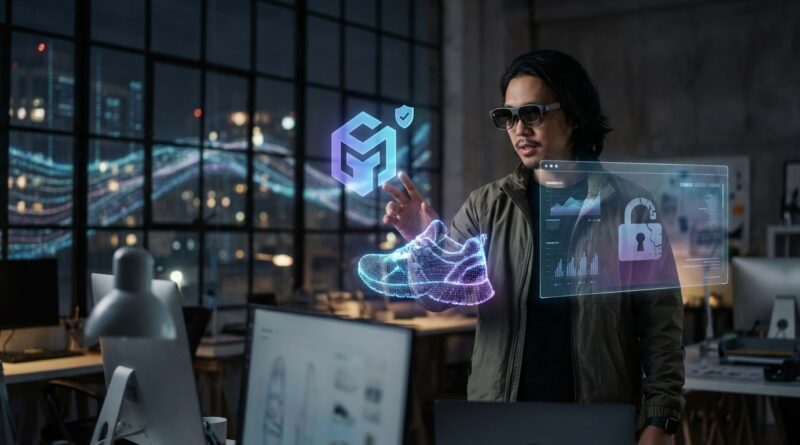
VR, AR And Holograms Just Became Protectable Designs: What That Means For Your Brand Assets
Your marketing team just built a slick AR try-on, a custom VR environment, or a hologram-style logo animation. Then someone asks the awkward question. Can we actually protect this, or can a competitor copy the look with a few tweaks and call it their own? That confusion is real, and it is annoying. Most brand owners understand trademarks for names and logos, and maybe copyright for artwork. But when the brand experience lives on a headset, phone screen, or floating interface, the rules feel a lot less clear.
The good news is that design patent protection for VR and AR brand assets is starting to catch up with how brands actually show up today. Recent USPTO guidance and practice updates make it easier to see how computer-generated images, animated icons, screen-based interfaces, and even immersive visual elements may fit into design protection. That does not mean every flashy effect gets a patent. It does mean your digital brand assets may be more protectable than you think, if you document and file them the right way.
⚡ In a Hurry? Key Takeaways
- Yes, some VR, AR, hologram-style visuals, icons, and interfaces can qualify for design patent protection if they are presented as ornamental visual designs tied to an article of manufacture.
- Save dated mockups, motion sequences, screen captures, and product context now, then talk to counsel before launch or public release.
- Design patents will not replace trademarks or copyright, but used together they can give your brand much stronger protection against copycats.
Why this suddenly matters
For years, design protection sounded like it belonged to chairs, phones, bottles, and sneaker soles. Physical stuff. Meanwhile, brands moved on. Now they sell with virtual fitting rooms, branded avatar skins, immersive menu systems, animated onboarding screens, and fake-3D hologram effects at events and in apps.
The law has been slowly catching up. The USPTO has given more direction on how to claim computer-generated electronic images, graphical user interfaces, icons, and other digital visuals. That matters because many of the things your customers remember are no longer just your static logo. They are the way your brand looks in motion and on screen.
If you are investing real money in these experiences, it is worth asking whether they belong in your IP strategy, not just your creative brief.
What a design patent actually protects
A design patent protects the ornamental appearance of something, not how it works. Think of it as protection for the visual design rather than the mechanics behind it.
For a physical product, that might be the shape of a bottle. For digital assets, it may be the look of an interface, icon, screen layout, or displayed image. The key point is this. It is about appearance.
What that means in plain English
If your AR try-on tool has a unique technical method for sizing glasses, that technical method is not a design patent issue. But the visual arrangement of the try-on interface, the ornamental shape and appearance of a displayed icon set, or a distinctive animated electronic image might be.
That is why design patent protection for VR and AR brand assets has become such an interesting topic. The visual layer is now part of the product experience.
Where VR, AR, and hologram-style branding fit in
Here is the practical way to think about it.
VR brand assets
A virtual store layout, a branded menu system inside a headset experience, or a signature set of visual interface elements may be candidates for protection if the claimed part is ornamental and shown properly in the application.
AR brand assets
AR overlays, try-on interfaces, face filters, or product visualization screens may also qualify in some cases. What matters is not just that the experience is cool. It needs to be presented as a protectable visual design tied to a display or other article of manufacture under current practice.
Hologram-style visuals
These are a little trickier because “hologram” gets used loosely in marketing. If what you really have is a computer-generated visual effect, animation, or displayed image, the question becomes whether that specific ornamental appearance can be claimed in a design application. Sometimes the answer is yes. Sometimes the answer is “not in that form.”
This is why screenshots alone are not enough. The filing strategy matters.
What changed at the USPTO
The short version is that the USPTO has become more open and more specific about protecting certain non-physical visual designs, especially computer-generated images and interfaces. Practitioners have also gotten better at framing these filings in ways the office will accept.
That does not mean the floodgates are open. You still need to meet the usual rules. The design must be new, ornamental, and properly shown. But the old assumption that “screen stuff cannot really be protected” is much less safe now.
For small brands, that is the big shift. You do not need a giant legal department to start thinking this way. You just need to spot what is worth protecting before it is everywhere.
What is most likely to be protectable
Not every digital experience will fit, but these are the kinds of assets worth reviewing:
- Distinctive GUI layouts inside apps, kiosks, or headset experiences
- Branded icon sets and animated icons
- AR shopping or try-on screens with a unique ornamental arrangement
- Signature onboarding or navigation visuals in VR spaces
- Computer-generated images that appear as part of a display experience
- Unique visual transitions or sequences, when presented correctly
If a customer sees it and instantly thinks of your brand, it deserves a second look.
What is less likely to be protectable
This is where teams get tripped up.
- General ideas, like “a hologram logo floating above a stage”
- Pure function, like the technical process behind gesture tracking
- Generic layouts that every shopping app already uses
- Effects that are too common or too obvious
- Assets you already published too early without planning filing dates
You cannot patent a vibe. You need a specific visual design.
Why trademarks and copyright are not enough on their own
Most brands already use trademarks and maybe copyright. Both still matter. But they do different jobs.
Trademark
Trademark protects source identifiers. Your name, logo, slogan, and sometimes trade dress. It is great when the issue is customer confusion.
Copyright
Copyright protects original creative expression. Artwork, motion graphics, and some digital visual works may fit here.
Design patent
Design patent can be powerful when the fight is about someone copying the look of a visual product feature or digital interface in a way that is too close for comfort.
The smart move is usually not picking one. It is stacking protection where it makes sense.
What your team should do before launch
This is the useful part. If you think a digital asset may matter to your brand, do these things now.
1. Save the design history
Keep dated drafts, exports, screenshots, storyboards, and test builds. If the asset is animated, save the sequence, not just one frame.
2. Identify what is actually unique
Do not say “our AR experience.” Say what part makes it visually different. The icon shape? The arrangement? The transition? The displayed image?
3. Connect it to the product context
Applications often depend on how the design is shown in use. That means the interface or image may need to be presented in relation to a display, device, or environment in a way that fits USPTO rules.
4. File before broad public release if possible
Speed matters. Marketing likes surprise launches. Legal likes filing dates. Those two teams should talk earlier than they usually do.
5. Use layered protection
Ask whether the same asset should also be covered by trademark, copyright, contract terms, and platform enforcement tools.
A simple example
Say your cosmetics brand creates an AR mirror that places products on a customer’s face. Lots of brands do that. The basic idea is not yours.
But maybe your team created a very specific ornamental interface. A curved color halo around the face, a floating product carousel with a signature visual rhythm, and a set of animated shade icons that appear in a distinct sequence. That combination might be worth reviewing for design patent filing, while the brand name and logo stay under trademark and the underlying artwork may also have copyright value.
That is the difference between protecting “AR try-on” and protecting your version of it.
Common mistakes small brands make
Most of these are fixable, but only if you catch them early.
Waiting until the copycats show up
By then, you may have missed the cleanest filing window or made novelty harder to show.
Only saving marketing screenshots
Those help, but they may not show the design clearly enough for a proper application strategy.
Assuming motion is impossible to protect
Sometimes movement or sequence can be part of the filing approach. The details matter.
Thinking the logo file covers everything
Your flat logo registration does not automatically cover how that logo appears as a hologram-style animated brand object in an immersive experience.
How to decide if it is worth the cost
Not every digital asset deserves a filing. Ask three basic questions.
- Will customers see this often enough to associate it with our brand?
- Would a competitor gain something by copying the look?
- Will this visual likely stay in use long enough to justify protection?
If the answer is yes to at least two, it is probably worth getting an opinion.
Think about your checkout flow, virtual fitting room, branded spatial menu, or event hologram effect the same way you would think about packaging. If it drives recognition, it has business value.
At a Glance: Comparison
| Feature/Aspect | Details | Verdict |
|---|---|---|
| Design patent for digital visuals | Can protect ornamental appearance of certain computer-generated images, icons, interfaces, and displayed designs when properly claimed | Very useful for standout VR, AR, and hologram-style brand assets |
| Trademark protection | Protects names, logos, and source-identifying brand features, especially where customer confusion is the issue | Still essential, but not a full substitute for design protection |
| Copyright protection | May cover original artwork, graphics, and some digital creative expression | Helpful as part of a layered strategy, but does a different job |
Conclusion
If your brand now lives on screens, headsets, filters, and immersive interfaces, your protection plan has to live there too. The helpful shift is that the USPTO’s latest guidance and practitioner updates are making more room for design protection to cover computer-generated electronic images, icons, and interfaces, including the kinds of visuals brands use in VR, AR, and hologram-style experiences. That gives smaller companies a real chance to protect futuristic-looking assets that used to fall into a gray area. The main takeaway is simple. Do not assume your digital brand experience is too new or too weird to protect. Get organized, save the right materials, and ask early. That is how you keep your best ideas from becoming everyone else’s clip art.