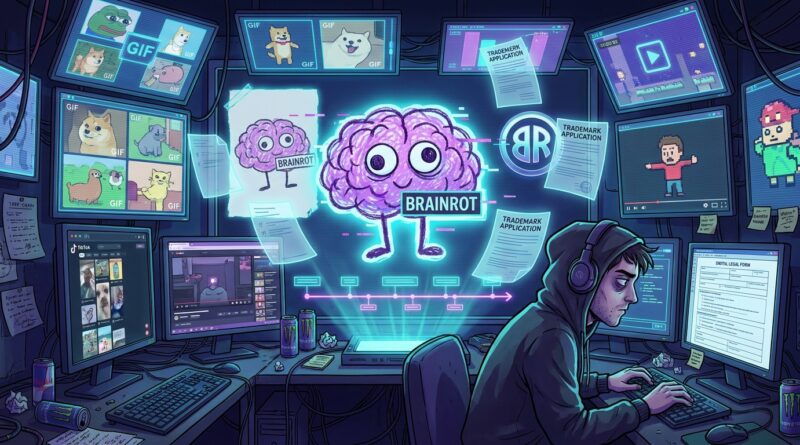
New AI ‘Brainrot’ Characters Quietly Turn Viral Memes Into Trademark Landmines: How To Lock Down Your Digital Mascot Before the Internet Eats It Alive
You post a weird little AI-made mascot on TikTok. People love it. Clips spread. Fan art appears. A week later, someone you have never heard of is selling shirts, opening a Discord server with your character’s name, or worse, filing a trademark before you even realized this joke had turned into a brand. That is the headache a lot of creators are walking into right now. It feels unfair, because you made the thing, built the audience, and did the hard part. But trademark law does not care who went viral first as much as many people think. It cares about use in commerce, clear branding, and whether you moved fast enough to claim your lane. If you are trying to figure out trademark protection for AI generated viral meme characters, the good news is you do have options. The trick is to treat your “just for fun” mascot like a real business asset before the internet turns it into a free-for-all.
⚡ In a Hurry? Key Takeaways
- Yes, an AI-boosted meme character can become a protectable brand, but you need to prove consistent commercial use and control of the character identity.
- Lock down the name, handle, domain, art files, posting history, and a basic trademark filing as soon as the character starts gaining traction.
- Do not assume copyright alone will save you. Viral characters that live on TikTok, Twitch, Discord, and merch stores are often better protected by a smart mix of trademark, contracts, and evidence.
Why creators are getting blindsided
The problem starts with how internet culture works. A character can go from “bit” to “brand” in a weekend. One funny voice filter, one AI image variation, one stitched meme, and suddenly people know the character by name.
That sounds great until you realize fame creates paperwork. Fast.
Creators often spend the early viral window making clips, taking collabs, testing merch, or building a game prototype. Meanwhile, copycats are doing the boring stuff. They are buying domains. Grabbing social handles. Uploading fake products. Filing trademark applications.
This is especially messy when the character began with AI help. Maybe you wrote the personality, fed prompts into an image model, edited the design, then built catchphrases and lore across livestreams. That is common now. It is also exactly the kind of mixed-origin project that creates confusion about who owns what.
The first thing to understand: trademark and copyright are not the same
A lot of people mix these up, and that is where trouble begins.
Copyright protects the creative expression
Think artwork, scripts, animation, music, model sheets, and specific videos. Copyright is about the expression itself.
But AI-created material can raise questions if there was not enough human creative input. If a design came straight out of a generator with almost no meaningful editing or authorship, copyright may be shakier than you expect.
Trademark protects the brand signal
This is often the bigger issue for viral mascots. Trademark is about source. In plain English, does the name, look, phrase, or logo tell people, “this comes from this creator or studio”?
If fans see your goblin-cat mascot on a stream overlay, game page, or hoodie and immediately connect it to you, that is where trademark starts to matter.
So even if copyright questions are murky, a character name or logo can still become a powerful brand asset if you use it consistently in commerce.
Can an AI-assisted meme character actually be trademarked?
Often, yes. But not automatically.
The key question is usually not, “Was AI involved?” The key question is, “Is this functioning as a trademark in the real world?”
That means looking at things like:
- Is the character name used consistently on goods or services?
- Are fans buying merch, subscribing, or downloading a game tied to that identity?
- Do your pages present the character as a brand, not just a random one-off joke?
- Can you show that the public associates the character with you?
If the answer is yes, you may have a solid basis to file. If the answer is “sort of, but mostly memes and reposts,” then your first step is cleaning up how you present and document the brand.
What makes these characters a legal gray zone
The gray zone is not just AI. It is the mix of AI, platforms, remix culture, and speed.
1. The art may have fuzzy ownership history
If the mascot design changed across ten prompt sessions, fan edits, and livestream tweaks, it can be hard to point to one clean original version.
2. The name may spread before you claim it
Memes travel by repetition. People post your character name before you decide whether it is a joke, a series, or a business. That delay can hurt you.
3. Fans help build the brand
That is good for reach, but risky for control. If fan accounts become more visible than your official one, outsiders may not know who the real source is.
4. Platforms are not ownership records
Your TikTok post going viral is exciting. It is not the same thing as a trademark registration, a chain of title, or a licensing agreement.
The moment your mascot starts trending, do these 8 things
This is the practical part. If you do nothing else, do this.
1. Pick the official name and spelling now
Do not let five versions float around. Choose one exact name. One capitalization style. One version fans should use.
Why it matters: trademark protection is stronger when the branding is consistent.
2. Grab the handles and domain
Even if you are not ready to use every platform, secure the obvious usernames and domain names. TikTok, Twitch, YouTube, Instagram, X, Discord server vanity links, and the .com if possible.
This is basic digital hygiene. It also helps show control of the brand.
3. Save proof of creation and evolution
Keep the prompt drafts, sketches, layered files, timestamps, chat logs, editing stages, and posting history. Save everything in one folder.
You are building evidence. If someone challenges your claim later, receipts matter more than memory.
4. Start using the character as a brand, not just a meme
Put the name on your channel banner. Use the character in a store header. Add it to your game page. Tie it to a service, product, or entertainment offering.
Trademark rights grow out of use. Random posting is weaker than clear brand use.
5. File for trademark protection early if the character has legs
If people are already asking for merch, fan servers, commissions, stickers, or game access, it may be time to talk to a trademark lawyer or file strategically.
At minimum, search for existing marks first. You do not want to build around a name somebody else already owns.
6. Clean up ownership with collaborators
If a friend helped with the design, a freelancer animated it, or a mod wrote catchphrases that became part of the brand, get agreements in writing.
This is one of the most overlooked parts. A hit character built by “vibes and DMs” can become a legal mess later.
7. Watch for fake merch and impersonators
Set up alerts for the character name. Check major marketplaces. Search social apps regularly. The earlier you catch a fake store or copycat channel, the easier it is to respond.
8. Write a simple brand guide
Nothing fancy. Just define the official name, logo, colors, phrases, art rules, and how fans can refer to the character. This helps with licensing, moderation, and takedowns.
What counts as “use in commerce” for a digital mascot?
This phrase sounds intimidating, but the idea is simple. You need more than attention. You need brand use tied to goods or services.
Examples that may help:
- A VTuber uses the mascot name as the banner identity for paid streams and subscriptions.
- An indie studio releases a playable demo under the character brand.
- A creator sells official stickers, shirts, or digital emotes with the mascot name.
- A Twitch channel offers memberships and uses the character as the core entertainment brand.
Examples that are weaker on their own:
- One viral meme post with no official branding
- Fan reposts that do not link back to you clearly
- An AI image posted once with no products, services, or ongoing identity use
Common mistakes that cost creators their character
Waiting until there is a problem
By the time a cease and desist lands in your inbox, somebody else may already have a filing, store listings, and a stronger paper trail.
Assuming the platform will side with the original creator
Platforms respond to policies, reports, and documents. They do not always have the time or tools to untangle internet folklore.
Thinking “I made it with AI, so nobody can own it anyway”
That is too simplistic. The better question is what parts are protectable, who contributed human authorship, and how the public identifies the brand source.
Letting fan canon replace official canon
Community energy is great. But if your official version is unclear, copycats can step into the vacuum and confuse the market.
How to make your claim stronger if AI was part of the process
You do not need to hide the AI assist. You do need to show your human role clearly.
That can include:
- Documenting prompt iteration and your editing choices
- Showing hand-drawn revisions or compositing work
- Keeping notes on personality, lore, backstory, and branding decisions
- Using a final design package that you control and publish consistently
In other words, the more the character feels like a shaped brand system rather than a random output, the stronger your overall position tends to be.
When to call a lawyer instead of trying to DIY it
You can do a lot yourself early on. But certain moments are worth professional help.
- A third party files a trademark for your viral character name
- You are making real money from merch, games, or channel subscriptions
- The character has multiple co-creators or contractors involved
- You plan to license the mascot for games, apparel, or brand deals
- You received a takedown, infringement claim, or cease and desist
Think of it like fixing a leaky faucet versus rewiring the house. Some jobs are worth expert hands.
A realistic starter checklist for trademark protection for AI generated viral meme characters
If your mascot is heating up right now, copy this into your notes app and work through it today.
- Choose one official character name
- Search for conflicting trademarks and obvious brand conflicts
- Secure key social handles and domain names
- Archive all source files, drafts, prompts, and timestamps
- Make one official account or webpage the “home base”
- Use the character name consistently on content, services, or merch
- Set clear rules for collaborators and contractors in writing
- Watch online marketplaces and fan accounts for misuse
- Consider a trademark filing once there is real brand use
- Keep screenshots of sales pages, stream pages, and launch dates
At a Glance: Comparison
| Feature/Aspect | Details | Verdict |
|---|---|---|
| Viral post vs brand use | A single trending clip shows popularity, but not always trademark-strength use in commerce. | Go beyond memes fast. |
| AI-generated art vs human-shaped identity | Pure output can create ownership questions. Human editing, lore, branding, and consistent use make your position stronger. | Document your creative role. |
| Waiting vs early filing | Delaying may invite copycats, fake merch, and opportunistic trademark applications. | Move early if the character has commercial potential. |
Conclusion
It is easy to laugh off a goofy AI-born mascot as “just internet stuff” right up until it starts paying the bills, attracting impersonators, or triggering legal threats. That is why this issue matters now. Over the last few weeks, trademark and copyright lawyers have started treating AI boosted viral characters as serious brand assets instead of throwaway memes, and disputes are already testing whether these creations can function as trademarks after they blow up. For indie game studios, VTubers, streamers, and small brands, the smart move is simple. Treat a rising character like a real asset early. Name it clearly. Document it well. Use it consistently. File when it makes sense. Do that, and you have a much better shot at turning a fragile meme into a defensible brand before platforms, copycats, or opportunistic filers do it for you.