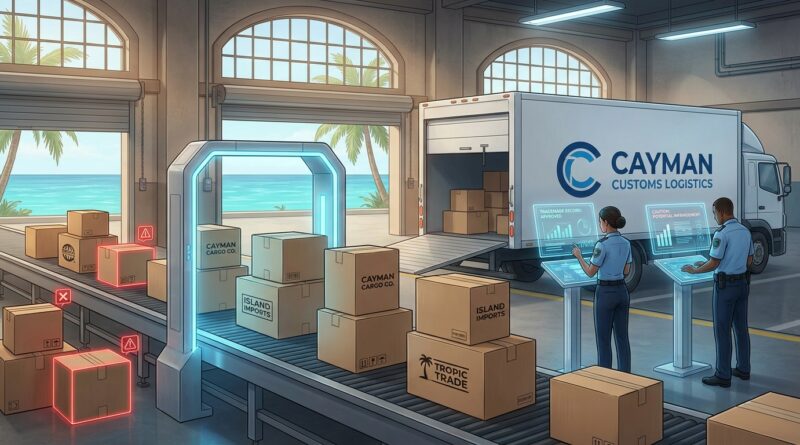
New Cayman Islands Trademark Border Rules: How To Keep Your Brand’s Products From Being Seized At Customs
You do all the hard work to build a brand, line up stock, get orders flowing, and then a customs stop in a place you barely think about can wreck the whole week. That is the frustration here. The Cayman Islands has brought in new border enforcement rules tied to trademarks, and for ecommerce founders this is not some distant legal footnote. It can mean goods being detained, delayed, or even destroyed if customs believes they infringe a registered mark. That includes situations where your branding is real, but your paperwork is messy, your packaging does not match your registration, or a distributor ships through the Caymans without telling you. If you sell online, use third-party logistics, or rely on drop-shipping routes, these Cayman Islands trademark border regulations for ecommerce brands matter right now. The good news is this is fixable. Most of the risk comes from gaps you can spot and clean up before a shipment gets flagged.
⚡ In a Hurry? Key Takeaways
- The Cayman Islands can now stop imported goods at the border over trademark concerns, even if your brand is legitimate but your records are incomplete or inconsistent.
- Check where your trademark is registered, make sure packaging and listings match that registration, and record your mark with customs if that option is available through local counsel.
- This is not just a Cayman problem. It is a warning sign that smaller transit and logistics hubs are starting to police IP more aggressively.
What changed in the Cayman Islands
The short version is simple. Trademark enforcement is now reaching the border more directly. That means customs officers can act when goods appear to infringe a trademark, instead of waiting for a private fight to play out after the products are already in the market.
For big brands, that sounds familiar. For smaller online sellers, it feels like one more hidden trap. You may not even sell to Cayman customers. But if stock passes through the islands, sits in a bonded warehouse, or gets routed there by a logistics partner, the rules can still touch your business.
This is why the Cayman Islands trademark border regulations for ecommerce brands matter beyond the local market. The islands are a small jurisdiction, but they are also a useful example of where global trade is headed. Customs systems are becoming more data-driven. They compare brand names, labels, packaging, and declarations faster than before. If something looks off, your shipment can get pulled.
Why ecommerce brands are more exposed than they think
Traditional retailers usually have legal teams and cleaner distribution maps. Smaller ecommerce brands often do not. They use a mix of marketplaces, overseas factories, contract packagers, and third-party shippers. That creates lots of tiny mismatches.
Common risk points
Here is where things usually go wrong:
- Your online store uses a stylized logo, but the registered trademark only covers a word mark.
- Your product packaging shows a brand variation that is not registered.
- Your manufacturer changes labels or inserts without approval.
- A freight partner ships through a jurisdiction where you have no trademark recordal in place.
- Your goods look too similar to another brand already registered in that market.
- Your customs paperwork lists a company name or product description that does not neatly match the branding on the goods.
None of that means you are a counterfeiter. But customs officers do not get a long meeting to hear your side. They make fast calls based on documents and what is in front of them.
What customs seizure can actually do to a small brand
This is where the pain gets real. A seized shipment is not just a legal problem. It is an operations problem.
You can end up with delayed deliveries, customer complaints, refund requests, chargebacks, extra storage fees, and marketplace penalties for late fulfillment. If the products are seasonal or launch stock, the timing damage can be worse than the direct cost.
And if customs decides goods should be destroyed, you may lose inventory and still have to explain the mess to customers, suppliers, and payment platforms.
What to do now if you sell online
You do not need to panic. You do need a checklist. Start with the boring stuff. That is usually what saves the day.
1. Audit your trademark registrations
Pull up every brand asset you actually use. Your store name. Your logo. Product sub-brands. Taglines if they are printed on packaging. Then compare them with what is officially registered.
Ask these questions:
- Is the exact brand name registered?
- Is the logo registered, or only the words?
- Are the right goods classes covered?
- Are the owner details current?
- Do your registrations cover the jurisdictions that matter for shipping, warehousing, or transit?
A lot of founders learn too late that they registered the brand in one key market but left gaps elsewhere.
2. Clean up packaging and listings
If the mark on your box says one thing and the customs paperwork says another, you are inviting questions. Same goes for product listings that use abbreviations, old logos, or alternate brand spellings.
Keep these aligned:
- Outer cartons
- Retail packaging
- Hang tags and inserts
- Commercial invoices
- Marketplace listings
- Shipping descriptions
Think of it like airport security for your inventory. The fewer odd details, the easier it is to get through.
3. Check whether customs recordal is available
In many places, trademark owners can record their marks with customs so officials know what to look for. In practice, this can help genuine goods move more smoothly and help stop fake ones.
For the Cayman Islands, speak with local trademark counsel or your existing IP adviser about the current recordal and border enforcement process. The rules are live, and local procedure matters. A good adviser can tell you what documents are needed, how rights holders notify customs, and what evidence makes detention less likely for authentic shipments.
4. Map your shipping routes
This is the step many digital-first brands skip. They know where products are made and where customers live. They do not always know every place inventory passes through.
Ask your logistics partners:
- Do any shipments transit through the Cayman Islands?
- Are goods ever stored there temporarily?
- Which legal entity is listed as importer or consignee?
- Can routing change without notice during peak periods?
If a 3PL or drop-shipping supplier cannot answer clearly, that is a problem by itself.
5. Prepare proof that your goods are genuine
If customs asks questions, speed matters. Keep a file ready with:
- Trademark certificates
- License agreements, if another company manufactures or distributes for you
- Product photos
- Packaging samples
- Supplier agreements
- Authorized distributor lists
You are trying to make it easy for someone with limited time to see that your shipment is real.
What if you have not registered your trademark in the Cayman Islands?
Then you should not assume you are safe just because you are small or because Cayman is not a core sales market. If your goods move through the jurisdiction, the lack of local rights or supporting paperwork can still leave you exposed.
That does not always mean you must rush to file everywhere on earth. It does mean you should rank jurisdictions by actual logistics risk, not just customer sales. For some brands, a transit hub matters more than a country where only a handful of buyers live.
What if someone else registered a similar mark there first?
This is the nightmare version. If a third party owns a confusingly similar mark in the Cayman Islands, your products may be challenged even if you have used the brand elsewhere for years.
At that point, you need proper legal advice fast. Possible options can include negotiating coexistence, challenging the registration, reworking packaging for that route, or rerouting inventory while the dispute is handled. The main thing is not to keep shipping blindly and hope for the best.
How to talk to suppliers and 3PLs about this without sounding dramatic
Keep it practical. You are not asking for a legal seminar. You are asking for shipping accuracy.
Send a short note that says:
- Your brand needs all packaging and shipping documents to match approved trademark usage.
- No label, logo, or spelling changes are allowed without written approval.
- You need visibility into transit jurisdictions and storage locations.
- Any customs hold must be reported immediately with photos and document copies.
This is the kind of small operational discipline that prevents big headaches later.
Why this matters beyond the Cayman Islands
The bigger story is not just Cayman. It is that smaller but strategically placed jurisdictions are getting more active about IP enforcement. If you are an ecommerce founder, that means brand protection is no longer only about your home market and your top five sales countries.
It is also about the plumbing of ecommerce. Warehouses. Transit stops. Free zones. Fulfillment partners. The places your products pass through while you are busy looking at ad spend and conversion rates.
That shift catches smaller brands off guard because the problem feels invisible until a shipment disappears into review.
At a Glance: Comparison
| Feature/Aspect | Details | Verdict |
|---|---|---|
| Trademark paperwork | Exact match between registered mark, owner details, product classes, and the branding used on goods | Must-do. This is your first line of defense. |
| Packaging and listing consistency | Boxes, labels, invoices, and online listings should all use the same approved brand presentation | High value, low cost fix. |
| Customs and route planning | Know whether stock passes through Cayman, and check if customs recordal or local legal support is needed | Important for brands using 3PLs, drop-shipping, or global fulfillment hubs. |
Conclusion
The useful takeaway here is not that ecommerce just got harder, even if it feels that way. It is that the rules are changing in places founders often ignore, and the smart move is to get a little more organized before a shipment is tested. The Cayman Islands’ new trademark border regulations are already live, and they are a preview of how more small but strategic jurisdictions will start policing IP at the border in real time. If you use fulfillment hubs, third-party logistics, or drop-shipping, one missed recordal or one mismatch between your online brand and your registered mark can turn into detained stock, refunds, chargebacks, and platform trouble. The fix is not glamorous, but it works. Tighten your registrations, record marks where needed, clean up packaging and listings, and make your logistics chain less mysterious. Do that now, and you give your brand a much better chance of moving smoothly while others are still wondering why customs suddenly cares.