New E‑Commerce ‘Know Your Seller’ Rules Quietly Turn Marketplace IDs Into Mini‑Trademarks: How To Lock Your Brand Name To The Right Account Before Scammers Do
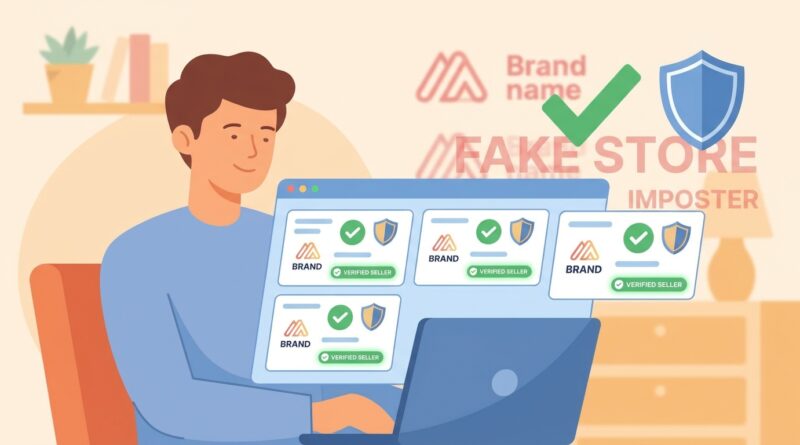
You launch a product, finally get some traction, and then a fake seller pops up using a name that looks a lot like yours. Worse, the platform may show that account as more complete, more verified, or simply more visible than your real shop. That is the quiet headache behind new eCommerce know your seller law trademark brand protection changes. The rules are meant to cut fraud and counterfeits, which is good. But the rollout has been uneven, and small brands are getting caught in the gap. If you have not tied your brand name to the right legal business profile, seller account, social handle, and domain name, a scammer can often get there first. Once that happens, fixing it can take weeks, and customers may never know which account is the real one. The good news is you can act now and make these new checks work in your favor instead of against you.
⚡ In a Hurry? Key Takeaways
- Claim and verify your brand name on every marketplace, ad platform, and social channel before a copycat does.
- Use the exact same business name, website, logo, support email, and legal documents everywhere to reduce verification problems.
- Think of seller verification as a practical first line of brand protection, not a replacement for a trademark, but a very useful extra layer.
What is actually changing
Platforms are under pressure to know who is selling, advertising, and collecting customer data. That means more requests for business registration records, tax IDs, owner identity checks, bank details, and proof that a website or brand belongs to you.
On paper, that sounds sensible. In real life, it creates a race. The first account that gets a clean seller profile, matching paperwork, and a believable storefront can look official to shoppers and ad systems, even if the brand behind it is not the real one.
This is why the search term matters so much here. eCommerce know your seller law trademark brand protection is no longer just a legal topic. It is now an operations problem. A naming problem. A customer trust problem.
Why small brands are especially exposed
Big companies usually have legal teams, marketplace reps, and monitoring tools. Smaller brands often have a founder, a part-time marketer, and a to-do list that never ends.
Scammers know this. They look for brands that are growing but not fully locked down. Then they grab lookalike seller names, reserve social handles, buy typo domains, and run ads that send buyers to fake stores or cloned landing pages.
The fake account does not need to be perfect. It just needs to look real enough for a quick glance. That is often enough to steal traffic, confuse customers, and create chargebacks and support messes for the real brand.
Think of seller IDs as mini-trademarks
A marketplace seller name is not the same thing as a registered trademark. You still need proper trademark protection for stronger legal rights. But in practice, verified seller names, official handles, and linked business profiles now act like mini-trademarks in front of the public.
They signal, “this is the real one.”
If you control those signals early, you make life much harder for copycats. If you wait, you may end up proving your own identity to a platform while a fake seller enjoys the benefit of looking established.
The simple playbook to lock your brand to the right account
1. Standardize your brand identity first
Before you start verification, create one master record for your business. This should include:
- Your exact legal business name
- Your public-facing brand name
- Your main website URL
- Your customer support email
- Your logo files
- Your official phone number
- Your return address or business address
- Your tax and company registration details
Use the same formatting everywhere you can. If one platform says “Acme Home LLC” and another says “ACMEHOME,” you may create your own verification delay.
2. Claim your name on every important platform now
Do not wait until you plan to sell there. Reserve and verify your brand on:
- Major marketplaces
- Social commerce apps
- Ad platforms
- Domain registrars
- Major social networks
Even a basic placeholder profile is better than leaving the slot open. The goal is simple. Make sure your brand name points back to you, not to whoever shows up first.
3. Match your website and seller identity
Your website should clearly name the business behind the brand. Add your contact page, terms, refund policy, and about page. Make sure they all line up with the details used in your seller onboarding.
If a marketplace reviewer or automated system checks your site and sees missing contact information or mixed branding, that can slow approval and make a fake seller with cleaner paperwork look more trustworthy.
4. Secure lookalike domains and handles
You do not need to buy the whole internet. But you should secure the obvious variations:
- .com plus your key country domains if relevant
- Common misspellings
- Name formats with and without hyphens
- Main social handles using your brand name
This is cheap insurance compared with the cost of cleaning up fraud later.
5. Start trademark filings if you have not already
Verification helps, but it is not ownership in the legal sense. A registered trademark gives you a stronger foundation for takedowns, disputes, and marketplace brand registry tools.
Think of it this way. Verification gets you in the building. Trademark rights help you defend your apartment once you are inside.
6. Save proof before there is a dispute
Create a folder with:
- Your incorporation documents
- Trademark applications or registrations
- Invoices showing first sales
- Screenshots of your official profiles
- Dates when accounts were opened and verified
- Copies of platform approvals
When a fake seller appears, speed matters. Having this ready can shave days off your response time.
Red flags that a scammer is trying to get ahead of you
Watch for these early warning signs:
- A seller name or social handle that is one letter off from yours
- Ads using your product photos but linking to another site
- Customers asking whether a different store is “your official shop”
- Marketplace search results showing another seller above you for your own brand name
- New domains registered with your brand plus words like shop, official, store, sale, or support
If you spot any of these, do not just report the listing. Check the full identity trail. Seller profile, ad account, domain, payment links, social pages. These things often move in packs.
Where many brands get tripped up
They assume verification equals protection
It does not. A platform’s verification badge or seller approval is mostly about account checks, not a deep legal ruling on who owns a brand name.
They use inconsistent names
“Blue Pine Labs,” “BluePine,” and “Blue Pine Official” may all be yours, but systems do not always understand that.
They wait until expansion time
By the time you decide to sell internationally, someone else may already be using a lookalike name in that market.
This is especially worth remembering if you sell across borders. If Indonesia is on your radar, New Indonesia Online IP Crackdown: The Surprising Safe Harbor Small Brands Can Use Before Copycats Vanish Overnight is a useful read on how fast platform rules and takedown risks can shift once local enforcement tightens.
A practical weekly routine that keeps you safer
You do not need a giant compliance department. You need a repeatable habit.
Every week
- Search your brand name on marketplaces and social apps
- Search for your products in ads
- Check for new reviews mentioning fake stores or suspicious orders
Every month
- Confirm that your seller profiles still show the right website and support info
- Review account admins and remove old staff or agencies
- Save fresh screenshots of your verified profiles
Every quarter
- Audit domains and social handles you have not claimed yet
- Review trademark filing status
- Update any outdated business documents used for verification
What to do if a fake seller already grabbed your name
First, do not panic. This is fixable, just annoying.
- Document everything with screenshots and links.
- File a platform complaint using your business and trademark records.
- Report any fake ads separately from the seller listing.
- Warn customers through your official channels about the correct store links.
- Ask your payment processor, marketplace, or ad platform for escalation if customer harm is involved.
- Lock down remaining handles and domains immediately so the problem does not spread.
If there is phishing, payment fraud, or customer data theft, treat it as a security issue too, not just a branding dispute.
At a Glance: Comparison
| Feature/Aspect | Details | Verdict |
|---|---|---|
| Verified seller profile | Helps prove which account is tied to your business documents and can improve trust with platforms and shoppers. | Do it early. It is your fastest practical defense. |
| Consistent brand naming | Using the same business name, URL, logo, and support details across channels reduces verification errors and confusion. | Low effort, high value. Start here if you are behind. |
| Trademark registration | Gives stronger legal backing for takedowns, disputes, and long-term brand ownership claims. | Still important. Verification helps, but trademark rights carry more weight. |
Conclusion
The big shift here is easy to miss. New and proposed know your seller and anti-counterfeiting rules are quietly pushing more brand risk back onto small businesses. That is frustrating, but it also gives you a chance to get ahead. If you claim your names, verify the right accounts, match your business details across platforms, and back it all up with trademark planning, you turn a messy compliance trend into a useful layer of protection. Scammers move fast, but they usually go for the easiest opening. Make your brand harder to impersonate now, and you protect your search visibility, your ad spend, your customer trust, and your sanity.