New Deepfake Takedown Law Just Went Live: What It Quietly Means For Your Brand’s Photos And Videos
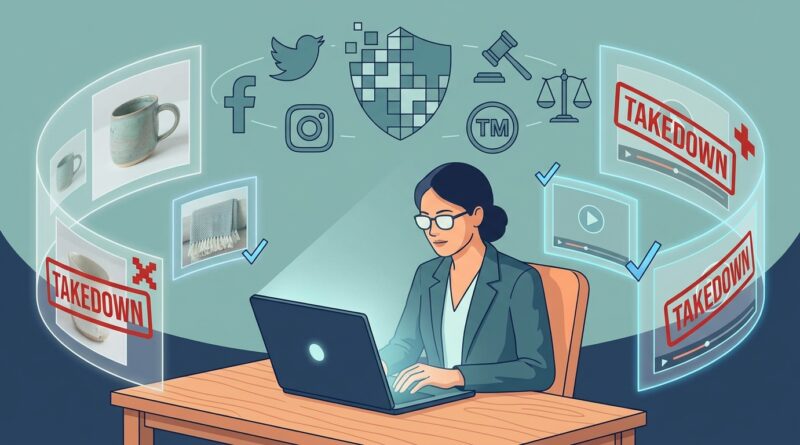
You finally get a promo video to take off, then one morning it is gone, flagged, hidden, or stuck in review. That is the part nobody tells small brands about. A new US deepfake takedown law is pushing platforms to remove certain AI fakes and explicit deepfake content much faster. On paper, that sounds like a win. In real life, rushed moderation systems do not always understand context, ownership, or brand permission. If your logo, product images, ad clips, or creator content are floating around across TikTok, Instagram, YouTube, and marketplaces, a false hit can turn into lost sales fast. The good news is you do not need a full legal team to get ready. You need a simple paper trail. Think trademark records, dated originals, creator permissions, and a clean log of where your content first appeared. That is what helps a human reviewer see the difference between a fake and your real campaign.
⚡ In a Hurry? Key Takeaways
- The new deepfake takedown law brand protection story is simple. Faster removals are good for obvious fakes, but they can also catch real brand content by mistake.
- Start a one page proof file now with trademark info, original design files, upload dates, campaign links, and signed creator permissions.
- If a platform removes your content, speed matters. Clear records help you appeal faster and reduce lost traffic, sales, and trust.
What just changed, in plain English
Platforms are under more pressure to act quickly when users report deepfakes, especially explicit ones and other harmful manipulated media. That means moderation teams and automated systems are being tuned for speed.
Speed is helpful when the content is obviously fake and abusive. It is less helpful when the system sees your brand name, your founder’s face, your product shots, or your ad voiceover and has to decide in seconds whether something is real, licensed, satire, stolen, or AI-made.
That is the quiet part of this story. The same pipelines used for fast deepfake reports often overlap with the workflows already handling copyright and trademark complaints. So if your records are messy, your real content can get treated like a problem before anyone looks closely.
Why small brands are more exposed than big ones
Big companies usually have in-house lawyers, brand protection staff, and direct platform contacts. They also tend to have neat archives. Every logo file, campaign brief, contract, and ad asset is saved somewhere obvious.
Small businesses are usually doing all of this on the fly. The logo is in three Dropbox folders. The original product photos are on a former freelancer’s laptop. The influencer agreement lives in email. The first post date is buried in a social calendar tool nobody uses anymore.
That is where trouble starts. If a platform asks, “Can you prove this is yours?” and your answer takes three days, you may already have lost the traffic spike, the sale window, or the launch momentum.
This is also why policy changes matter more than they seem. If you want the wider backdrop, New White House AI Framework Quietly Sets The Stage For National Trademark Rules Online is worth reading. It shows how AI policy and online brand rules are starting to blend together.
What counts as “your proof” when content gets challenged
You do not need to talk like a lawyer. You do need to show your homework.
1. Trademark basics
If your business name, slogan, or logo is registered, keep the registration number in one easy document. If it is not registered yet, keep proof of use. That means screenshots, dated website pages, packaging photos, and ad records showing you were using the mark in business.
2. Original creative files
Keep the source files for videos, product images, logos, and ad creatives. Dated project files help a lot. So do export files with metadata. If someone claims your content is fake or stolen, the original working file tells a stronger story than a screenshot ever will.
3. Posting logs
Make a simple list of where and when key assets were first posted. Include links. A spreadsheet is fine. One tab for videos, one for photos, one for campaign assets. Add platform URLs, posting dates, and the account name that published them.
4. Creator and influencer permissions
User-generated content and influencer clips are especially messy. Save the permission email, contract, or DM approval. If a creator used your product in a sponsored post, note whether you have the right to repost, edit, or run ads with that content.
5. Product and packaging history
If your brand gets copied a lot, save dated photos of packaging updates, labels, and product launches. This helps when a fake seller or a fake ad uses old or altered visuals to impersonate you.
The real risk is not just removal. It is delay.
Most founders imagine the problem as “my video got deleted.” Often it is more annoying than that. Your content can get throttled, age-gated, demonetized, pushed into manual review, or left in appeal limbo.
That delay hurts. Paid campaigns keep spending. Product launches cool off. Customers start asking if your account was hacked. Meanwhile a fake version of your content may still be circulating somewhere else.
So brand protection is no longer just about stopping copycats. It is also about proving authenticity fast enough to stay visible.
Your one page playbook for deepfake takedown law brand protection
Here is the simple version. Put this in one shared folder and one printed page.
What to include
Business name and main contact. Trademark registration numbers if you have them. Links to your official social accounts. Website domain. A list of your top ten high value assets, like your best ad videos, product hero shots, and founder clips. Add the original file location, first post date, and who created each piece.
What to save next to it
PDFs of registrations. Screenshots of first use. Source files. Signed contracts or approval messages from creators. A short template for platform appeals. A list of platform reporting links. That way your team is not scrambling when something gets flagged.
What to do monthly
Update the file once a month. Add new campaigns. Remove old staff contacts. Check that links still work. It takes 20 minutes and can save you days later.
Platform settings you should check this week
This part is boring, but it matters.
Verify your accounts where possible
Verification is not magic, but it does help platforms tie assets to official accounts more confidently.
Fill out business profile details
Use the same brand name, website, and contact email across platforms. Mixed naming creates confusion in automated review systems.
Turn on security features
Use two-factor authentication and limit admin access. If a bad actor gets into your account and posts manipulated content, the cleanup gets much harder.
Document your ad accounts
Keep a list of which ad account ran which campaign and when. If a paid ad is flagged, this gives you one more way to prove the asset came from your real business operations.
If your content gets flagged, do this in order
First, take screenshots of the notice, the affected content, and any case number. Second, stop guessing and pull your proof file. Third, submit a clean appeal with links to the original post, source file, trademark details, and creator permission if needed.
Keep it short. Moderators do not want a dramatic essay. They want clear proof.
If the content is revenue critical, like a top converting product video, have a backup ready. Re-uploading blindly can make things worse on some platforms, so read the notice first. But having an alternate cut, alternate thumbnail, or alternate caption can keep your campaign moving while the appeal is open.
What this means for user-generated content and fan posts
This is where things get tricky. A happy customer can post a real review using your product photos, your brand name, and clips from your launch event. A rushed moderation system might see brand reuse and manipulated media signals and get confused.
That does not mean you should stop encouraging UGC. It means you should save your permission rules somewhere simple and public. A short brand use page on your site helps. So does a clear email template when you ask to repost a customer video.
The cleaner the trail, the easier it is to sort out a mistake.
At a Glance: Comparison
| Feature/Aspect | Details | Verdict |
|---|---|---|
| Fast takedown systems | Good at removing obvious harmful deepfakes quickly, but more likely to make context mistakes under time pressure. | Helpful, but risky if your records are weak. |
| Brand proof file | Includes trademark info, original files, post dates, campaign links, and creator permissions in one place. | Best low effort protection step for small brands. |
| UGC and influencer content | Often real and valuable, but easy for platforms to misread without clear repost rights and source records. | Use it, but document permissions carefully. |
Conclusion
The new deepfake takedown law brand protection issue is not just about stopping creepy fake videos. It is also about making sure your real content does not get swept up in a faster, rougher moderation system. That is why this matters right now. These new deepfake rules are being rolled into the same notice and takedown channels already used for trademark and copyright complaints. If small brands do not prepare clear proof of ownership for ads, influencer content, and UGC, they are going to lose time, traffic, and trust while bigger companies move faster with legal teams and cleaner records. The fix is refreshingly simple. Build a one page playbook with your trademark registrations, dated design files, posting logs, and platform settings. It is not glamorous. But it gives founders a fighting chance before a bad complaint or a confused moderator quietly wipes out a top performing asset.