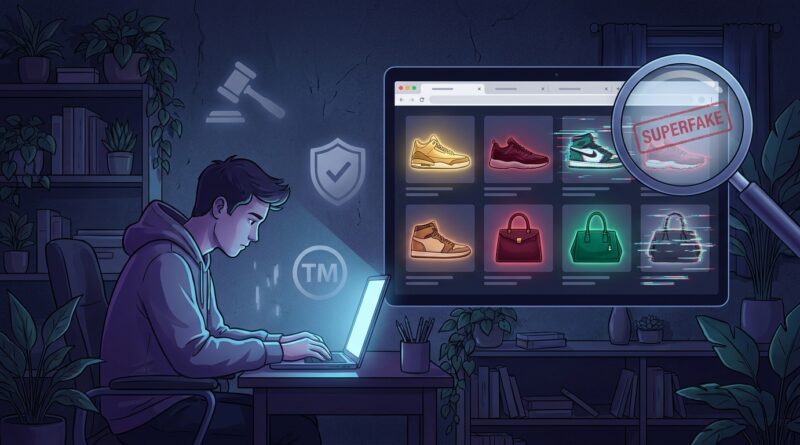
New ‘Superfake’ Crackdown Quietly Turns High‑End Dupes Into Legal Red Flags: How To Audit Your Brand Before Marketplaces Name Names
Finding out your product has been copied is bad enough. Finding out the copy is so polished that it fools shoppers, marketplaces, and even your own team at a glance is worse. That is the problem with “superfakes.” They are high-end counterfeits built to pass in photos and listing pages, which means they can spread fast before a small brand even knows it has a problem. Now the pressure is rising. The Office of the United States Trade Representative has opened public comments for its 2026 Notorious Markets review, and this year it is paying special attention to superfakes and superclones. If you sell online, this matters even if you are not a household name. A smart audit now can help you spot trademark abuse earlier, keep better records, and give marketplaces and regulators something useful to act on before your brand gets buried under lookalike junk.
⚡ In a Hurry? Key Takeaways
- The superfake trademark crackdown 2026 is likely to put more heat on online marketplaces that allow high-quality counterfeit goods to spread.
- Small brands should start now by saving screenshots, test-buying suspicious items, logging seller names, and organizing trademark proof in one folder.
- You do not need a giant legal team to be useful. Clear evidence and timely comments can help protect your brand and flag risky platforms sooner.
Why this quiet policy shift matters
The annual Notorious Markets review is not just a boring government list. It can shape how marketplaces, payment services, and logistics partners react to counterfeits. If a platform gets named, that label sticks. It can affect trust, partnerships, and future enforcement attention.
This year’s focus on superfakes is important because these are not the laughably bad knockoffs of old. They often use your product photos, your wording, your logo placement, and packaging that looks close enough to fool a busy shopper scrolling on a phone.
That changes the game for smaller brands. You may not get a dramatic warning. You may just notice more refund requests, confused customer emails, or reviews complaining about quality on products you did not even sell.
What “superfakes” actually are, in plain English
A superfake is a counterfeit item designed to look nearly identical to a real branded product, especially online. Think of it as a fake with good lighting, decent packaging, and a seller who knows how to copy listing language.
Why they are harder to spot
Old-school fakes often gave themselves away with misspellings, weird colors, or cheap materials. Superfakes are different. The product photos may look real because they were stolen from your own site. The listing title may include your exact trademark. The packaging may copy your visual style closely enough that buyers do not realize anything is wrong until the item arrives.
Why marketplaces struggle with them
Platforms often rely on automated checks, user reports, and rights-owner complaints. If a fake looks clean in photos and the pricing is not absurdly low, it may stay live longer than you would expect. That is why your documentation matters so much.
What the 2026 review is likely to reward
If regulators are paying closer attention to superclones and superfakes, they will want specifics, not general frustration. The strongest reports usually show patterns.
- Repeated trademark use by the same seller or network of sellers
- Listings that use stolen product photos or copied descriptions
- High complaint volume with weak platform response
- Test buys that confirm the product is counterfeit
- Evidence that sellers reappear after takedowns
In other words, “there are fakes out there” is not enough. “Here are 17 listings across 3 storefronts, using our registered mark, with matching product photos, and 2 test buys confirmed counterfeit” is far more useful.
How to audit your brand before marketplaces name names
1. Gather your core proof first
Start with the basics. Put them in one folder your team can access.
- Your trademark registration numbers and classes
- Brand style assets, including logos and packaging images
- Official product photos
- Your authorized seller list
- A short guide showing how to tell genuine products from fakes
This sounds simple, but many small brands have this stuff scattered across email, Dropbox, old agency files, and one person’s laptop. Clean that up first.
2. Search like a counterfeiter’s customer
Do not only search your exact brand name. Search the messy version too.
- Your brand name plus “dupe”
- Your product name plus “same as”
- Common misspellings of your trademark
- Your signature color or packaging description
- Your bestseller name without your brand attached
Check large marketplaces, social commerce apps, wholesale platforms, and image-heavy channels where shoppers discover products casually.
3. Save everything in a repeatable way
Do not rely on memory. Use a simple spreadsheet or database with these columns:
- Date found
- Platform name
- Seller/storefront name
- Listing URL
- Screenshot file name
- Trademark used
- Price
- Country or shipping origin if shown
- Status, live, removed, relisted, or unknown
Take full-page screenshots if possible. Save product images, seller profile pages, and reviews that mention authenticity problems.
4. Test buy a few, not all
You do not need to buy every suspicious item. Pick a handful that best show the pattern. When the item arrives, photograph the packaging, labels, inserts, and product details. Compare them with your genuine goods.
Good test-buy evidence often includes:
- Order confirmation and receipt
- Shipping label and return address
- Unboxing photos
- Side-by-side comparison with a real item
- Notes on material, construction, labeling, and serial markers
5. Track platform response time
If you submit takedowns, log when you sent them and what happened. Did the platform remove the listing in 24 hours, 10 days, or not at all? Did the same seller pop back up under a new name?
This becomes valuable if you decide to submit comments about a platform’s weak enforcement. It turns a complaint into a timeline.
How to prepare a useful comment for the USTR process
You are not writing a courtroom brief. You are helping officials understand what is happening in the wild.
What to include
- Your brand and what you sell
- Your trademark ownership details
- Which marketplaces or channels are involved
- How the suspected superfakes imitate your product
- What harm this causes, customer confusion, refunds, safety issues, reputation damage
- Examples of listings and dates
- How the platform responded, or failed to respond
- Why the issue is systemic rather than a one-off incident
What not to do
Do not exaggerate. Do not include claims you cannot support. Do not dump 500 random screenshots without context. Make it easy for a reader to understand the pattern quickly.
A simple structure that works
Try this format:
- Who we are
- Our trademark and products
- What we found
- Why we believe these are counterfeit superfakes
- What the platform did when notified
- Why this deserves attention in the 2026 review
Red flags that deserve fast action
Some signs should move to the top of your list right away.
- Listings using your exact registered trademark in titles
- Product photos lifted from your website or social feeds
- Multiple sellers using identical copy and image sets
- Prices low enough to be suspicious, but not so low they trigger obvious alarm bells
- Reviews that say “looks real but quality is awful”
- Customer support emails asking why your product arrived from a seller you do not know
How small brands can do this without a full legal department
This is where many founders freeze. They assume anti-counterfeit work is only for giant companies. It is not. You just need a small system.
Build a monthly routine
Set one day each month to check top marketplaces, review new seller activity, and update your evidence log. Consistency beats panic.
Assign one owner
Even if several people help, one person should own the spreadsheet, takedown submissions, and evidence folder. Otherwise things slip through cracks fast.
Use a naming system
Example: Platform_Seller_Date_Product. That tiny bit of order will save hours later.
Keep customer-service teams in the loop
Your support inbox often sees the problem before your legal file does. Ask support staff to tag messages involving authenticity complaints, unknown sellers, and odd packaging.
What marketplaces may do next
As the superfake trademark crackdown 2026 picks up attention, expect marketplaces to tighten some rules. Some may improve rights-owner portals. Some may ask for more proof before acting. Others may remove listings faster to avoid being seen as careless.
But not all platforms will react the same way. That is part of why this review matters. It can help separate the marketplaces that make a real effort from the ones that become repeat problem zones.
The practical goal here
You are not trying to eliminate every fake on the internet by next Tuesday. That is not realistic. The goal is to make your brand legible to the people and systems making enforcement decisions.
When your records are organized, your trademark proof is easy to find, and your examples are specific, you give yourself a much better shot at faster removals and stronger policy attention.
At a Glance: Comparison
| Feature/Aspect | Details | Verdict |
|---|---|---|
| Basic brand audit | Collect trademarks, product photos, packaging samples, authorized seller list, and search results across key marketplaces. | Best first step. Low cost, high value. |
| Test buys | Buy a few suspicious listings, document shipping, packaging, and product differences, then save side-by-side photos. | Strong evidence. Use selectively. |
| USTR public comments | Submit a clear summary of counterfeit patterns, platform response, and brand harm tied to specific examples. | Worth doing if you have organized proof. |
Conclusion
The timing here matters. The US Trade Representative has opened public comments for the 2026 Notorious Markets review, and this year’s extra focus on superfakes and superclones means pressure is likely to rise on platforms hosting polished counterfeit trademark goods. For small brands, that is not just a policy headline. It is a nudge to get your house in order now. If you document suspicious listings, save your takedown trail, and package your evidence in a way regulators and marketplaces can actually use, you put your brand in a much stronger position. You do not need to outspend counterfeiters. You need to be organized earlier than they expect. That alone can help keep safer marketplaces safe, and make the riskier ones easier to spot before your customers learn the hard way.