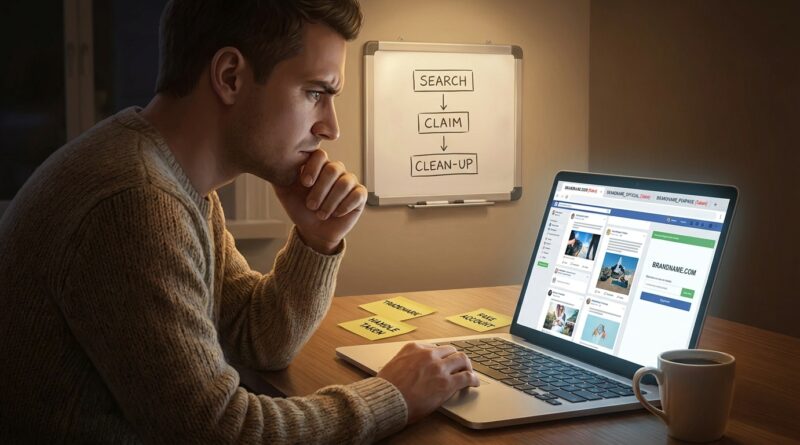
New ‘Username Squatting’ Trademark Risks: How To Protect Your Brand Name On TikTok, Instagram And Beyond
You pick a brand name. You buy the logo. You start posting. Then you find out someone else already grabbed the TikTok handle, the Instagram name and maybe even the .com. Worse, they are not even using it properly. They are just sitting on it, or using it to push sketchy links and confuse your customers. That is maddening, and for small businesses it can feel unfair in a very expensive way. The good news is that username squatting is not always a dead end. There are practical steps you can take to protect your name, build a record of ownership and improve your chances if you need a platform takedown, a domain dispute or a lawyer letter later. The trick is to act early, document everything and know the difference between a name that is merely taken and one that is crossing the line into trademark trouble.
⚡ In a Hurry? Key Takeaways
- Having your preferred username taken is frustrating, but trademark rights can still help if the account or domain is causing likely customer confusion.
- Claim your name across major platforms, buy key domains and save screenshots, dates and business records before a dispute starts.
- A calm paper trail matters. It can support platform reports, cease-and-desist letters and even a UDRP complaint for bad-faith domain squatting.
First, know what problem you actually have
Not every taken username is illegal. Sometimes it is just unavailable. That is annoying, but it is different from infringement.
Here is the simple version.
Username squatting
This usually means someone grabbed a handle and is not really using it, or is holding it hoping you will pay for it later. Social platforms each have their own rules, and many do not promise they will hand over an inactive username just because you want it.
Look-alike impersonation
This is more serious. Think yourbrand_officiall or shop.yourbrand with your photos, your colors or fake customer support messages. If customers could reasonably think it is you, that is where trademark and impersonation rules start to matter.
Domain squatting
This is when somebody registers a domain name that matches or closely copies your brand, often to resell it, park ads on it or capture mistaken traffic. If they registered it in bad faith, there may be a path through a UDRP complaint or court action.
Why this is getting worse
It is cheap to register new domain extensions. It is easy to create social accounts in bulk. And scammers know a confused customer is often a paying customer.
That creates three headaches for founders.
- Customers land on the wrong account and assume it is yours.
- Your ads work less well because people search your brand and see copycats.
- You lose time proving that you are the real business behind your own name.
This is exactly why trademark protection for social media usernames and domain squatting matters now, even for very small brands.
What trademark law can and cannot do for you
A trademark does not magically reserve every username on the internet. It also does not guarantee you get a dormant handle just because it matches your business name.
What it can do is strengthen your position when someone is using the name in a way that creates confusion about source, sponsorship or affiliation. In plain English, if people could think that account, ad or website is connected to your business, you may have a real claim.
You may have stronger rights if:
- You are already using the brand in commerce.
- You have a registered trademark, especially in the right country and class.
- The other account is selling related products or services.
- The other account uses your logo, product photos or brand voice.
- Customers have actually been confused.
Your case may be weaker if:
- The account holder has a legitimate unrelated use of the same word.
- Your brand name is very descriptive or generic.
- The handle is inactive but not impersonating you.
- The domain or account was registered before you had any trademark rights.
Start with prevention, not panic
If you are still choosing a brand name, this is the cheapest moment to protect it. A quick search now can save months of cleanup later.
Do a name sweep before launch
Check:
- USPTO, UKIPO, EUIPO or your local trademark database
- Google search results
- TikTok, Instagram, Facebook, X, YouTube, LinkedIn, Pinterest and Reddit
- .com, your country domain and common alternatives like .co, .net and .shop
- App stores and marketplace seller names if relevant
You are looking for conflicts, not perfection. If the clean version is gone everywhere and the market is crowded with similar names, that is a warning sign.
Reserve usernames even if you will not use them right away
Create official accounts on the major platforms and fill in the basics. Add a logo, your website and a short bio. An empty account with clear ownership is still better than no account at all.
Buy the obvious domains
At minimum, secure the .com if possible, plus your country code and the domain your customers are most likely to type by mistake. You do not need to buy every extension on earth. Just cover the realistic risk.
Your practical response plan if someone already took the name
This is the part most founders need. Do these steps in order.
1. Document everything
Take dated screenshots of the account, profile URL, follower count, bio, posts, ads, links and any messages from confused customers. Save WHOIS or registrar details for domains if available. Archive pages using a reputable capture tool or PDF.
Do not skip this. Posts disappear. Usernames change. Evidence matters.
2. Gather proof that the brand is yours
Save your formation documents, invoices, dated marketing materials, website launch dates, packaging, ad screenshots and trademark filings or registrations. If customers are confusing the copycat with your business, save those emails and DMs too.
3. Check the platform’s actual policy
Most platforms separate impersonation from trademark complaints. Use the right channel. If the account is pretending to be you, report impersonation. If it is using your protected brand in a way that causes confusion, use the trademark form.
Be factual. Emotional reports usually do not help. Clear evidence does.
4. Decide whether to contact the account owner
Sometimes a short, polite message works. Sometimes it only tips off a scammer. If the account looks shady, skip direct contact and go through the platform or your lawyer.
5. Escalate if money or customer harm is involved
If the account is running ads, taking payments, phishing customers or harming your reputation, move faster. A formal cease-and-desist letter may make sense. So may a lawyer-led platform complaint.
6. For domains, consider a UDRP complaint
A UDRP is a domain dispute process often used when someone registers a domain identical or confusingly similar to your trademark, has no legitimate interest in it and registered it in bad faith. It is not casual or free, but it is often faster than court.
When a cease-and-desist letter makes sense
A lawyer letter is not always necessary, but it can help when:
- The account or domain is clearly trading on your brand
- Customers are being misled
- The platform has not acted
- You want to show you tried to resolve it before filing a formal dispute
Good letters are specific. They identify your rights, explain the confusing use, attach evidence and give a deadline. Bad letters make wild threats and overstate the law. Those can backfire.
Social platforms are not courts, so expect uneven results
This part frustrates people the most. Even with a strong case, one platform may remove an account quickly while another does very little. That does not always mean you are wrong. It often means moderation systems are inconsistent and the facts were not presented cleanly.
Keep your submissions organized:
- Your exact brand name
- Your registration number if you have one
- Links to your official site and accounts
- The infringing URLs
- A short explanation of customer confusion
- Attachments showing first use and branding
What to do if you cannot get the exact username
Sometimes the clean handle is gone for good. You still have options.
Use a clear, consistent alternative
Pick one format and stick to it everywhere, such as getbrandname, brandnamehq or brandnameofficial. Do not create a different variation on every platform unless you have to.
Make your official identity obvious
Use the same logo, bio line, link-in-bio URL and profile image across platforms. Consistency helps customers spot the real account quickly.
Point everything back to your main site
Your website is the one place you fully control. Add clear links to all official social profiles. That gives customers a safe reference point.
Build a brand protection file before you need one
This sounds boring. It is also one of the smartest things you can do.
Create one folder with:
- Trademark applications and registrations
- Domain registration receipts
- Social account creation dates and URLs
- Logo files and brand guidelines
- Press mentions and launch announcements
- Customer confusion examples
- Copies of reports, notices and responses
If a problem grows into a legal dispute, this folder becomes your memory. You will not have to scramble for proof months later.
Common mistakes that make things worse
- Paying a squatter immediately without checking your options first
- Sending angry messages that get screenshotted and used against you
- Assuming a business registration alone gives full trademark rights everywhere
- Waiting too long while the fake account builds credibility
- Ignoring cheap domain extensions because they seem harmless
When to bring in a trademark lawyer
You may not need legal help for every copied handle. But it is worth calling a lawyer if:
- Your brand is central to your business value
- The impersonator is taking payments or collecting customer data
- You are expanding into new markets
- The domain owner wants a large payout
- You are considering a UDRP or court action
A short paid consultation can save you from wasting weeks on the wrong process.
At a Glance: Comparison
| Feature/Aspect | Details | Verdict |
|---|---|---|
| Inactive username on social media | Frustrating, but not automatically illegal. Platforms may not release it unless policy allows or stronger rights are shown. | Try platform support, reserve alternatives and strengthen your ownership record. |
| Look-alike or impersonation account | Higher risk if it uses your brand, images or messaging in a way that confuses customers. | Report quickly with trademark and impersonation evidence. |
| Domain squatting | Can support action if the domain is confusingly similar to your mark and was registered in bad faith. | Document ownership, consider a cease-and-desist or UDRP if stakes are high. |
Conclusion
Showing up to find your own brand name already taken feels personal, and sometimes expensive. But you are not powerless. Username squatting and look-alike accounts are growing across social platforms and low-cost domains, which means small brands need a simple protection plan early. Claim what you can, document what you own, watch for customer confusion and use the right complaint path for the problem in front of you. Even if you cannot win every handle, you can reduce confusion, protect your ad performance and create the paper trail you may need later for a takedown notice, a UDRP complaint or a cease-and-desist. Start now, while the issue is still manageable. That is almost always cheaper than cleaning up a scam in your name later.