New ‘Voiceprint’ Trademarks: How Small Brands Can Copy Taylor Swift’s AI Defense Without Big-Star Money
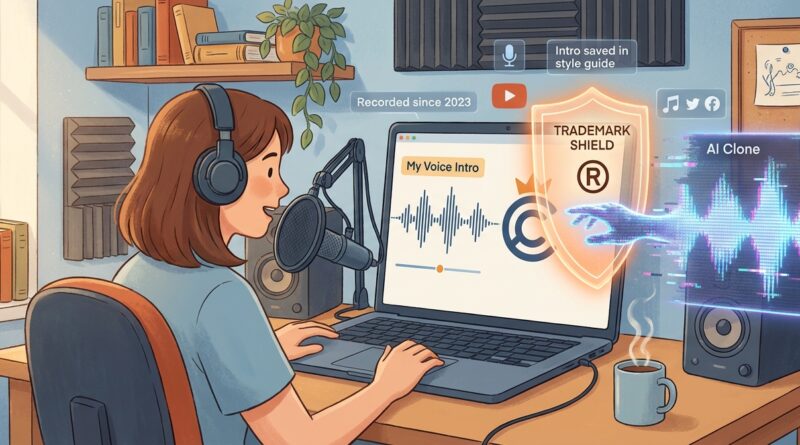
If your business depends on your face, your voice, or your on-camera style, this story hits close to home. It is frustrating enough when someone copies your logo. It is much worse when a fake version of you starts showing up in ads, sales videos, or scam promos. Taylor Swift’s latest trademark filings for short audio clips and a specific image have made one thing clear. “Voice and face” are no longer just branding choices. They are becoming assets you may need to protect on purpose. The good news is you do not need pop-star money to start. Small brands can borrow the basic playbook. Build a recognizable audio or visual signature. Use it consistently in commerce. Save proof that you used it first. Then, if somebody starts using AI to imitate you, you are not starting from zero. That is the practical side of trademark protection for voice against AI deepfakes, and it matters a lot more than celebrity gossip.
⚡ In a Hurry? Key Takeaways
- You can start protecting your voice and image now by creating a consistent, distinctive brand signature and using it in sales and marketing.
- Save dated proof like videos, ad files, invoices, screenshots, and published posts so you can show ownership and first use later.
- A trademark lawyer makes sense when your signature is truly distinctive, tied to real products or services, and already being copied or at risk.
Why Taylor Swift’s move matters to regular business owners
Most people hear this news and think celebrity legal drama. That misses the real point.
If one of the most recognizable people on earth is trying to lock down short audio clips and a specific image, it tells you where the problem is heading. AI can now imitate voices, clone faces, and mimic on-camera mannerisms cheaply. That means the same tricks used on celebrities can be used on coaches, creators, consultants, Etsy sellers, local founders, and anyone else selling online.
You may not be famous. But if your customers know your voice from Reels, webinars, podcasts, product demos, or course sales pages, you already have something worth copying.
If you want the broader context, Taylor Swift Just Turned Her Voice Into a Trademark: What This New ‘AI Likeness’ Trend Means For Small Brands lays out why this trend is getting serious fast.
First, know what a trademark can and cannot do here
This part gets confusing, so let’s make it simple.
What a trademark may help protect
A trademark protects source identity. In plain English, it helps show that a sound, phrase, image, or other brand feature tells buyers, “this came from me.” For voices and likeness-related branding, that could include a short spoken tag, a repeated intro line, a signature visual pose, or another consistent marker people connect with your business.
What a trademark does not magically solve
A trademark is not a force field around your whole face or your entire voice. It usually works best when what you are protecting is specific, distinctive, and used to sell goods or services. Other legal tools may also matter, including rights of publicity, false endorsement claims, copyright in certain recordings or videos, and platform takedown procedures.
That said, trademark protection for voice against AI deepfakes can still be very useful because it gives you a clearer, more concrete thing to point to when a fake tries to pass itself off as your brand.
Step 1: Create a protectable audio signature
This is where small brands often overthink it. You do not need an orchestra sting or a Hollywood sound designer.
What works better
- A short spoken phrase you always use at the start or end of videos
- A distinctive vocal cadence tied to a brand tagline
- A unique greeting in your own voice used in ads, podcasts, or course intros
- A brief sound marker or spoken brand cue customers hear repeatedly before a pitch or product mention
What works worse
- Generic phrases like “hey guys” or “welcome back”
- Random clips you use once and forget
- Anything too long, too common, or too disconnected from your actual business
The goal is not “famous.” The goal is “recognizable and specific.” If a customer hears it and immediately thinks of your brand, you are on the right track.
Step 2: Create a visual signature people connect with you
Taylor’s filing reportedly includes a specific on-stage image. That sounds very celebrity-specific, but the lesson is practical.
Your visual signature could be:
- A consistent camera framing and branded intro shot
- A repeated pose or gesture used in sales thumbnails and ad creatives
- A signature wardrobe element tied to your brand identity
- A recurring set design, backdrop, or product-holding shot customers recognize instantly
Again, keep it specific. “A woman talking on camera” is not a brand identifier. “A founder in bright orange glasses giving a two-finger point and saying the same opening line in every ad” is much closer to one.
Step 3: Use it in commerce, not just for fun
This is the part many people skip.
If you want stronger trademark footing, your signature should appear in places tied to actual business activity. That means product pages, paid ads, webinar funnels, podcast sponsorship spots, course intros, packaging videos, landing pages, and other places where customers meet your brand while buying or considering a purchase.
A cool catchphrase on your personal Instagram story is nice. A repeated audio tag on your paid product ads is much more useful.
Easy rule of thumb
Ask yourself, “Would a customer see or hear this while deciding whether to buy from me?” If yes, you are using it in a way that matters.
Step 4: Quietly build your proof file now
This is the most boring step. It is also the one that saves people later.
If a fake version of you appears, you will want clean evidence that your voice clip, phrase, or visual signature existed first and was tied to your business.
What to save
- Dated video files with original upload timestamps
- Screenshots of product pages and sales pages
- Copies of paid ads and ad reports
- Invoices showing when campaigns ran
- Podcast episode dates and transcripts
- Email campaigns that used the phrase or clip
- Social posts showing consistent public use over time
How to store it
Make one folder called something like “Brand Signature Proof.” Keep subfolders for audio, visuals, ads, sales pages, and screenshots. Add dates to filenames. Back it up in cloud storage.
You hope you never need it. But if you do, you will be very glad you were boring and organized.
Step 5: Watch for the kinds of copying that actually matter
Not every imitation is worth a legal bill.
Focus on uses that create real confusion or real harm, such as:
- Ads using a cloned version of your voice to sell something you do not offer
- Fake course promos using your face or a lookalike image
- Social accounts posting “endorsements” that sound like you
- Competitors copying your signature intro, visual setup, or spoken hook closely enough to confuse buyers
If someone is clearly trying to make buyers think they are you, or associated with you, that is when this moves from annoying to serious.
Step 6: Start with platform tools before you start a legal war
This is another place where small brands can save money.
When a fake appears, start by documenting everything. Save the URL, screenshots, ad library listings, account names, dates, and any comments from confused customers. Then use the platform’s impersonation, trademark, scam, or fraud reporting tools.
Many bad actors disappear once a platform gets enough detail. Not always, but often enough that it is worth trying first.
Before you report, collect:
- The exact account handle and links
- Screen recordings of the content in case it gets deleted
- Evidence of your earlier use
- Examples of customer confusion, if any
When it makes sense to talk to a trademark attorney
You do not need a lawyer the minute you invent a catchphrase. But there are times when legal advice is money well spent.
Talk to an attorney if:
- Your audio or visual signature is truly unique and central to your brand
- You are using it consistently in selling products or services
- You have solid proof of use across time
- You are already seeing copycats, deepfakes, or impersonation attempts
- You are investing real ad spend into a personality-driven brand
Maybe wait if:
- Your phrase or visual is still generic
- You only use it occasionally
- You are not yet tying it to actual commerce
- You are still figuring out what your signature even is
A good attorney can tell you whether your best route is trademark, a publicity-rights claim, a contract fix, a takedown strategy, or a mix of all three. That is how you avoid spending money on the wrong tool.
A simple starter plan for small brands
If this all feels a bit much, here is the plain-English version.
- Pick one short spoken brand line and use it consistently.
- Pick one repeatable visual cue that shows up across your content.
- Use both in places where customers buy or consider buying.
- Save dated proof every month.
- Monitor for fakes, especially in ads and sales content.
- Get legal advice only when the signature is real, valuable, and at risk.
That alone puts you far ahead of most small businesses.
At a Glance: Comparison
| Feature/Aspect | Details | Verdict |
|---|---|---|
| Audio signature | Short, distinctive spoken line or sound used repeatedly in ads, videos, podcasts, or sales funnels | Strong starting point if customers connect it to your brand |
| Visual signature | Consistent pose, framing, gesture, styling, or image setup tied to your business identity | Useful when it is specific and shows up in real marketing |
| Legal escalation | Best after you have proof of use, signs of confusion, and a clearly defined brand asset | Worth it when copycats are costing trust, sales, or reputation |
Conclusion
Taylor Swift’s filings may grab headlines, but the real lesson is much more practical. If your customers know you by your voice, your face, or your style on camera, those things are now part of your business risk picture. You do not need a celebrity budget to respond. You need a clear signature, consistent use, and a quiet paper trail that proves it is yours. That is the missing middle between big AI IP stories and the everyday problem of stopping a fake version of you from selling junk, scam courses, or copycat products. Start small. Get organized. And when the signature becomes valuable enough, talk to a trademark attorney with a clear goal so you are paying for help, not guesswork.