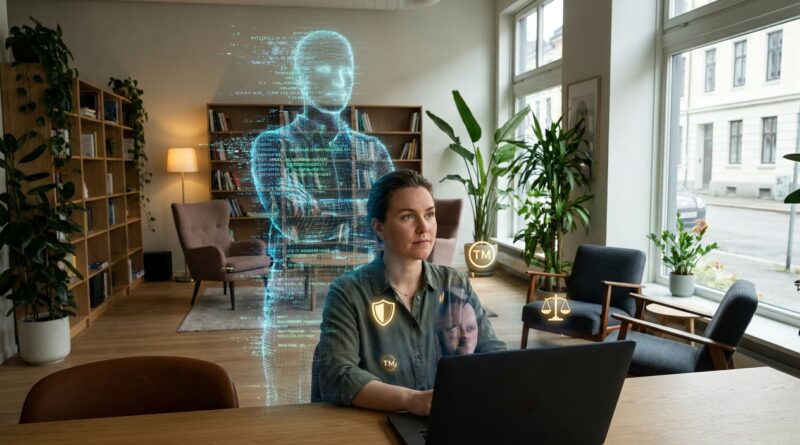
New Digital Replica Laws Are Quietly Rewriting ‘Who Owns Your Face’ Online
You do not need to be Taylor Swift to have a deepfake problem. That is the part many small businesses are only now realizing, and yes, it is frustrating. A fake founder video, a made-up customer testimonial, or an AI voice clone in an ad can hurt trust fast, and the legal rules around it are changing faster than most people can keep up with. New digital replica laws were pitched as protection for actors, musicians, and public figures. But the real-world effect reaches much further. If your face, voice, staff, or customer stories appear in your marketing, these rules now matter to you too. The short version is simple. You should stop treating likeness rights as a “big brand” issue. They are now part of basic online risk management. That means better contracts, clearer permissions, smarter posting habits, and a plan for what to do when fake content shows up using your name, face, or brand.
⚡ In a Hurry? Key Takeaways
- Digital replica laws are not just celebrity laws anymore. Small brands can be harmed by fake founder videos, cloned voices, and AI-made testimonials.
- Update your contracts now. Get clear written permission for faces, voices, testimonials, and AI reuse before you publish anything.
- Fast action matters. A clean evidence trail and clear ownership records can help with takedowns, platform complaints, and legal protection.
What changed, in plain English?
The law is starting to catch up to a problem everyone can see. AI tools can now copy a person’s face, voice, style, and mannerisms cheaply and at scale. That has created a mess online.
For years, likeness fights mostly showed up in celebrity news. A movie star’s face was used without permission. A singer’s voice was copied. That felt far away from the average online shop or solo founder.
Not anymore.
Now a fake “review” can feature a person who never existed. A scam ad can use a founder’s cloned voice. A competitor, affiliate, or random bad actor can post a synthetic testimonial that looks real enough to fool customers. New digital replica rules are aimed at that kind of misuse.
The exact wording varies by state and country, and the details will keep shifting, but the basic direction is clear. A person’s likeness is becoming more protected, especially when AI is used to recreate it in a believable way.
Why small brands should care right now
If you run a small brand, you probably do marketing with a patchwork of tools, freelancers, quick edits, and social posts made in a hurry. That is normal. It is also where risk sneaks in.
Your business is exposed if you use:
- Founder-led videos
- Customer testimonials
- Creator partnerships
- Voiceovers
- Staff photos and short clips
- AI avatars or AI-generated spokesperson content
Any one of those can raise questions about consent, reuse, editing rights, and whether AI-generated changes crossed a legal line.
This also connects with your brand protection work. If someone uses a fake version of you or your team to sell junk, confuse buyers, or damage your reputation, that is not just creepy. It can bleed into trademark confusion too. If you want a deeper look at that overlap, this piece on New ‘Digital Likeness’ Laws Are Here: How They Quietly Change Trademark Strategy For Online Brands is worth reading.
What “digital replica” usually means
Think of a digital replica as an AI-made version of a real person. That could be:
- A cloned voice that sounds like your founder
- A synthetic video that makes someone appear to say something they never said
- An AI avatar trained to mimic a real creator’s face and expressions
- A fake endorsement built from a person’s image, voice, or recognizable style
The legal issue is often not just copying a photo. It is creating a believable stand-in for a real person.
That is why these rules matter even if you never touch Hollywood-level content. The tools are now cheap enough for local scams, fake ads, and sloppy marketing shortcuts.
The biggest mistakes small teams make
1. Assuming a normal photo release covers AI use
It might not. Many older contracts say you can use someone’s image for promotion, but they do not clearly say whether you can alter it with AI, generate new scenes, clone a voice, or create future synthetic content.
2. Treating testimonials like raw material
If a customer gave you a nice review, that does not mean you can turn them into an AI spokesperson. A quote and a synthetic likeness are very different things.
3. Using freelancers without clear ownership terms
If a contractor records voice clips or creates an avatar for your brand, who owns what? Can they reuse it elsewhere? Can you keep using it if the relationship ends? If the contract is fuzzy, the problem will show up later.
4. Waiting too long to respond to fake content
Platforms often act faster when you show a clean paper trail. If you can document who the real person is, what rights you have, when the original was created, and why the fake is misleading, your takedown request has a better chance.
Your practical action plan
Audit your existing content
Start with the obvious faces and voices in your business.
- Founder videos
- Podcast clips
- Customer testimonials
- Staff interviews
- Creator collaborations
- Voiceovers used in ads
Ask three simple questions for each item. Do we have permission? Is the permission written down? Does it clearly cover AI editing, synthetic use, and future formats?
Update your contracts
You do not need a 20-page legal novel. You do need clear language.
For any person appearing in your content, your agreement should spell out:
- What you can use, face, voice, image, quote, video
- Where you can use it
- How long you can use it
- Whether AI editing or digital replica use is allowed
- Whether sublicensing or platform uploads are allowed
- How content can be removed if the relationship ends
If AI use is not allowed, say that plainly. If it is allowed in a limited way, define the limit.
Create a “no fake endorsements” rule
This should be an internal policy. No AI-generated customer endorsements. No synthetic founder messages unless they are clearly disclosed and properly approved. No staff likeness reuse without written permission.
This sounds strict, but it saves you from the kind of shortcut that becomes a trust disaster later.
Keep evidence organized
Create one folder for rights records. Save release forms, contracts, original recordings, publication dates, and screenshots of live posts. If something fake appears, this file becomes your first-response kit.
Set up monitoring
Search your brand name, founder name, and product names regularly. Check major social platforms, video platforms, and ad libraries if relevant. You are looking for fake clips, fake endorsements, and suspicious ads using your identity.
What to do if a deepfake hits your business
Do not panic. Move in order.
Step 1. Save everything
Grab screenshots, URLs, account names, timestamps, and copies of the video or audio if possible.
Step 2. Compare it to your originals
Pull the real content and note the differences. This helps show it is manipulated, misleading, or unauthorized.
Step 3. File platform reports fast
Use the platform’s impersonation, fake content, copyright, trademark, or privacy channels, depending on the case. The right lane matters.
Step 4. Tell your audience clearly
If the fake is spreading, post a short correction. Keep it calm. “This video is not real and was not authorized by our company.” That kind of statement helps protect trust.
Step 5. Get legal help if money or reputation is at stake
If the fake is tied to fraud, paid ads, investor confusion, or major customer harm, talk to a lawyer. This is especially true if your name, logo, or product branding are part of the deception.
Where trademark protection fits in
Not every deepfake problem is a trademark case. But many blend together.
If a fake founder video also uses your brand name, logo, packaging, or slogan in a way that confuses buyers, trademark law may join the fight. The same goes for AI-generated “official” reviews, fake support videos, or scam ads pretending to be your business.
That is why the search phrase digital replica law deepfakes trademark protection for small brands is not just legal jargon. It describes a very real overlap. Your face, your voice, and your brand identity can all be copied in one piece of fake content.
Small businesses that separate those issues too neatly can miss the bigger threat.
At a Glance: Comparison
| Feature/Aspect | Details | Verdict |
|---|---|---|
| Old media release forms | Often allow photo or video use, but may say nothing about AI editing, voice cloning, or synthetic replicas. | Needs updating now |
| AI-generated testimonials or spokesperson clips | High risk if based on a real person without clear consent, or if the content could mislead customers. | Avoid unless fully cleared and disclosed |
| Brand plus likeness protection | Combining release forms, takedown procedures, and trademark records gives you a stronger response to scams and impersonation. | Best practical approach for small brands |
Conclusion
You do not need to become a full-time legal researcher to deal with this. You just need to stop thinking of deepfakes and digital replica rules as someone else’s problem. Over just the last few days, deepfake abuse and AI-generated likeness scams have kept climbing, while lawmakers push harder on rules that once seemed aimed mostly at actors and musicians. For solo founders and small teams, this is the first moment where ignoring those laws is no longer theoretical. A bogus testimonial, cloned founder video, or AI-generated review can now lead to legal trouble, platform takedowns, and real trust damage. The good news is that the first fixes are very doable. Tighten your contracts. Get clear permissions. Keep records. Watch for fakes. Protect your brand and your people together. That small bit of prep can keep your business visible, trustworthy, and much safer online without needing a giant legal department.