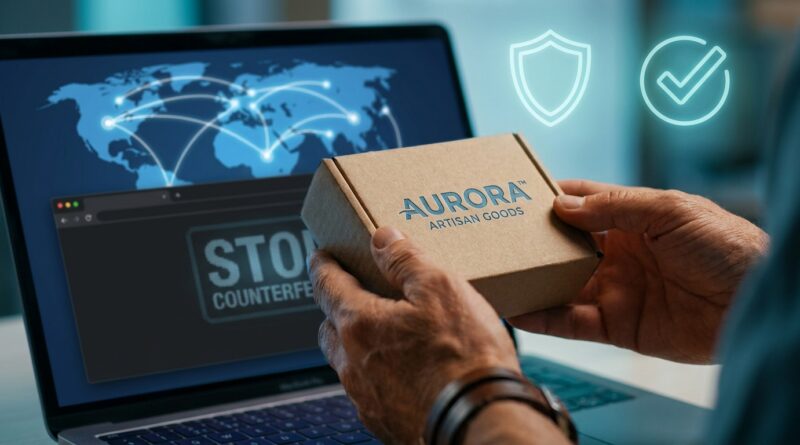
New WIPO ‘Alert Pay’ System Could Quietly Cut Off Counterfeiters’ Cash: What Small Brands Need To Do Now
If you run a small brand, getting copied online feels maddening. You spot your logo on a sketchy site, your product photos on a fake listing, and prices so low you know something is off. Then comes the really frustrating part. Even if you report one listing, five more pop up somewhere else. That is why WIPO’s new Alert Pay system matters. It shifts the fight away from endless page-by-page takedowns and toward something counterfeit sellers actually need to survive, which is payment processing. In simple terms, the system lets approved rights holders flag suspected pirate or counterfeit websites through a WIPO-run alert channel, and those alerts can be shared with payment providers like PayPal and Mastercard for review. That does not mean every report triggers an instant shutdown. It does mean small brands now need to get their trademark house in order, because your registered rights are what make this kind of enforcement possible.
⚡ In a Hurry? Key Takeaways
- WIPO Alert Pay gives rights holders a way to flag suspected counterfeit or pirate websites to payment companies, so bad actors can lose access to money, not just web traffic.
- If you are a small brand, the first move is simple. Make sure your trademarks are registered, organized, and easy to prove with screenshots, URLs, and product comparisons.
- This is not a magic erase button. Payment providers still review reports, so accuracy matters. False or sloppy claims can slow you down.
What WIPO Alert Pay actually is
Think of WIPO Alert Pay as a back-end warning system for payments.
WIPO, the World Intellectual Property Organization, has created a framework that helps approved participants report websites suspected of selling counterfeit goods or distributing pirated material. Those alerts can then be made available to payment service providers, which can use that information in their own risk checks and policy enforcement.
That last part is important.
WIPO is not acting like a judge that instantly bans a site. It is acting more like a trusted switchboard. Rights holders submit evidence. Payment companies receive structured alerts. Then the payment companies decide whether a seller or site breaks their rules.
For small businesses, this matters because cutting off the payment flow often hurts counterfeit operations faster than a basic takedown notice. A fake store can move domains overnight. It is much harder to keep selling if checkout stops working.
Why this matters more than another takedown tool
Most small brands already know the old routine. You find a fake listing. You file a complaint. You wait. Sometimes the platform removes it. Sometimes it does not. Then the seller changes names and starts again.
That is the digital version of whack-a-mole.
Payment-centric enforcement goes after the business model instead. If a counterfeit site cannot accept card payments or wallet payments, its reach shrinks fast. Many buyers simply leave when checkout fails.
That makes WIPO Alert Pay especially relevant for brands dealing with:
- Clone websites using your brand name or logo
- Counterfeit products sold through standalone stores
- Repeat infringers who keep changing domains
- Cross-border sellers that are hard to pin down through one local process
How the process works in plain English
1. A rights holder identifies a suspicious site
This usually starts with a brand owner, trade group, or approved enforcement body spotting a website that appears to sell counterfeit goods or pirate content.
2. Evidence is gathered
That means screenshots, URLs, product pages, pricing, logos, checkout pages, and proof of your trademark rights. The cleaner your evidence, the easier the review.
3. An alert is submitted through the WIPO system
The report is structured so payment providers can read it quickly and compare it with their own rules and merchant records.
4. Payment companies review the alert
This is the part many people miss. WIPO does not flip the switch itself. Payment providers such as PayPal or Mastercard review the information and decide whether action is appropriate under their policies.
5. A seller may lose payment access
If the provider agrees the site is breaking rules, the merchant account, payment acceptance, or related service may be limited or cut off.
What small brands need to do right now
If you are waiting until you find a fake site to get organized, you are already behind. The good news is the prep work is very doable.
Register your trademarks
This is your anchor. WIPO Alert Pay trademark enforcement for counterfeit websites works best when your rights are clear and documented. A registered trademark is far more useful than saying, “We have been using this name for a while.”
If your brand name, logo, or product line is important to revenue, get them reviewed for registration in the markets that matter most.
Create a simple infringement evidence folder
Set up one shared folder for your team with:
- Trademark registration certificates
- Your official logos and product photos
- A list of official domains and marketplaces
- Examples of genuine packaging
- A running log of counterfeit URLs and screenshots
This saves time when you need to act fast.
Document the payment trail when you can
If a counterfeit site has visible payment logos, checkout pages, wallet buttons, merchant names, or receipts, capture them. That information can help connect the site to the payment system it uses.
Know who can submit alerts
Not every tiny business will file directly into every international system on day one. In some cases, reports may go through approved rights holders, associations, counsel, or enforcement partners. So find out now whether your trademark lawyer, brand protection vendor, or industry group can help route reports properly.
Do not exaggerate your claims
This sounds obvious, but it matters. If a reseller is unauthorized, that is not always the same thing as counterfeit. If a site is suspicious but unproven, say that. Clean, accurate claims travel better than angry ones.
What counts as strong evidence
The best reports are boring in the best way. Clear. Organized. Hard to argue with.
Useful evidence often includes:
- The exact URL of the suspected counterfeit site
- Screenshots showing your trademark on the page
- Product images that copy your photos or packaging
- Prices that strongly suggest fakes
- Checkout or payment screens showing how the site gets paid
- Side-by-side comparisons of genuine and fake goods
- Past complaints, if the same seller has resurfaced before
If you can order a sample safely and confirm it is fake, that can strengthen a case too. But do not put your team at risk or use personal payment details without a plan.
What this system will not do
It helps to stay realistic.
WIPO Alert Pay is not a one-click global ban button. It will not wipe every counterfeit seller off the internet. It will not replace marketplace reporting, customs work, domain complaints, or legal action in serious cases.
What it does do is add pressure at a chokepoint that matters. Money.
For many counterfeit operations, losing smooth payment acceptance is a much bigger problem than losing one web page.
Common mistakes small brands make
Waiting too long to register trademarks
This is the biggest one. If your paperwork is weak, everything else gets slower.
Treating every unauthorized seller as a counterfeit seller
Gray market goods, resellers, and actual fakes are not always the same. Mixing them together can weaken your reports.
Saving incomplete evidence
A screenshot with no URL or date is less useful than people think. Capture the full page, the web address, and the time.
Ignoring standalone sites
Brands often focus on big marketplaces and miss copycat stores running on separate domains. Those are exactly the kinds of sites payment-focused systems can matter for.
How to build a simple response plan this week
You do not need a giant legal budget to start. Use this checklist.
- List your registered trademarks and where they are registered.
- Gather digital copies of certificates and brand assets.
- Assign one person to log suspicious sites weekly.
- Create a standard evidence template with URLs, screenshots, and notes.
- Ask your lawyer or brand protection partner whether they can help submit reports tied to payment enforcement channels.
- Track repeat offenders by domain, email, and payment clues.
That alone puts you ahead of many small brands.
Why this quiet shift matters now
The big story here is not just WIPO launching a new tool. It is the direction of travel. Enforcement is moving closer to infrastructure. Payments. Hosting. Domains. Ad systems. The internet’s plumbing.
That is a big deal for indie founders because small brands usually hear about these shifts last, after the damage is already done. Meanwhile, counterfeiters are often quick to exploit every gap.
If you understand that your trademark is not just a logo but a practical enforcement tool, you can act faster and more effectively across multiple channels.
At a Glance: Comparison
| Feature/Aspect | Details | Verdict |
|---|---|---|
| Main target | Payment access for suspected counterfeit or pirate websites, not just the page or listing itself | More strategic than basic takedowns |
| What brands need first | Registered trademarks, organized evidence, and a clear reporting process | Start here before a crisis hits |
| Limits to expect | Payment providers still review claims individually, and not every suspicious seller will be removed right away | Useful tool, not a magic fix |
Conclusion
If your brand is being copied, WIPO Alert Pay is worth paying attention to because it goes after the part counterfeiters care about most, getting paid. This helps the community today because payment-centric enforcement is ramping up fast, and small brands are usually the last to hear about these quiet shifts until their revenue or reputation takes a hit. Understanding how WIPO’s Alert Pay model lets rightsholders flag suspected pirate or counterfeit sites to payment services like PayPal and Mastercard means indie founders can stop playing whack-a-mole with takedown forms and instead plug into where the money actually moves, using their trademarks as the anchor for fast, cross-platform action. The smart move now is simple. Get your trademark paperwork clean, save better evidence, and make sure someone on your team knows how to escalate the next fake site before it steals another sale.