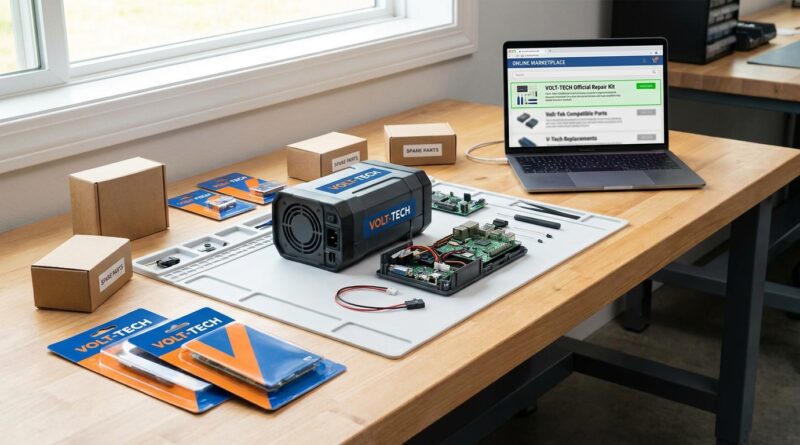
New ‘Right To Repair’ Rules Quietly Turn Spare Parts Into Mini Trademarks: How To Stop Aftermarket Sellers Hijacking Your Brand Online
You finally get a little relief from new repair laws, and then a different headache shows up. Your brand name starts appearing on chargers, filters, batteries, cartridges, and other replacement parts you did not make, test, or approve. Now customers think those parts are yours. When they fail, your reviews take the hit. That is frustrating, and for a small business it can feel unfair and expensive fast.
Here is the good news. Right to repair laws usually do not give third-party sellers a free pass to use your trademark however they want. Those laws are mostly about access to parts, tools, manuals, and repair options. Trademark law is still a separate lane. That means you may have to allow repair access in some situations, but you can still push back when sellers create confusion by making their listings, packaging, or shop signs look officially connected to your brand. The trick is knowing where compatibility language ends and brand hijacking starts.
⚡ In a Hurry? Key Takeaways
- Right to repair laws do not erase your trademark rights. Sellers can usually say a part is compatible, but they cannot imply it is your official part if it is not.
- Start with clear marketplace rules, packaging rules, and takedown evidence before you jump to lawsuits.
- The big risk is customer confusion. If buyers think a bad aftermarket part came from you, your warranty costs and reviews can suffer.
What right to repair actually changes, and what it does not
Most people hear “right to repair” and think it means anything goes. It does not.
These laws are generally aimed at giving owners and independent repair shops a fair shot at fixing products. That can mean access to diagnostic tools, repair manuals, software support, or in some cases parts and fair terms. The goal is consumer choice, not trademark free-for-all.
So if another company sells a replacement part that works with your product, the law may help create room for that repair ecosystem. But it does not usually let them slap your logo on the box, title a listing in a misleading way, or make buyers think the part is official when it is not.
Why spare parts are turning into “mini trademarks”
This is the quiet shift many small brands miss.
A replacement part is not just a part anymore. Online, it is a search term. If customers type your brand plus “battery,” “filter,” or “screen,” that phrase becomes valuable. Sellers know it. Marketplaces know it. Repair shops know it.
That means your trademark can get pulled into product titles, bullet points, photo overlays, store names, packaging, and even QR-code inserts. Some of that use may be allowed if it clearly tells shoppers the part is compatible with your product. Some of it crosses the line when it creates confusion about source, approval, or warranty coverage.
The simple rule: compatibility is often okay, confusion is not
Here is the practical way to think about right to repair trademark protection for spare parts.
Usually allowed
A seller may often say things like:
- “Compatible with Brand X Model 200”
- “Replacement filter for use with Brand X devices”
- “Fits Brand X vacuum series”
Usually risky or not okay
Problems start when the listing or packaging suggests a real brand connection that does not exist, such as:
- “Official Brand X filter” when it is not
- Your logo on third-party packaging
- Product photos designed to mimic your retail box
- Seller names like “Brand X Parts Store” without authorization
- Tiny disclaimers buried under a huge brand name headline
That difference matters. Courts and marketplaces often care a lot about whether an average shopper would be confused.
How the damage shows up in real life
This is not just a legal technicality.
When poor aftermarket parts circulate under your name, a few ugly things happen fast:
- Customers blame you for failures, fires, leaks, or poor performance.
- Your support team spends time explaining what is and is not genuine.
- Warranty claims go up because people assume your warranty covers the part.
- One-star reviews pile up on marketplaces and social media.
- Your genuine parts can look overpriced next to copycat listings.
That is why this issue deserves attention even if you are trying to stay repair-friendly.
Step 1: Decide what you must allow and what you will police
Start by drawing a line internally.
Ask three basic questions for each type of use:
- Is the seller only identifying compatibility?
- Is the seller using more of our branding than needed?
- Would a normal customer think this part is made, approved, or warranted by us?
If the use is just factual compatibility language, you may not want to fight it. If it creates confusion, that is where trademark enforcement makes more sense.
Step 2: Create a plain-English brand use policy for parts sellers and repair shops
Do not assume people know your rules. Put them in writing.
Your policy can say things like:
- Sellers may state factual compatibility with your products.
- Sellers may not use your logo without written permission.
- Sellers may not call parts “genuine,” “official,” “OEM,” or “authorized” unless true.
- Listings must include a visible disclaimer if the part is third-party.
- Packaging may not copy your trade dress, color scheme, or box design in a misleading way.
This helps in two ways. It sets expectations, and it gives you something concrete to point to when you file complaints.
Step 3: Fix your own listings first
This part is easy to overlook.
If your own website, packaging, or Amazon store is vague about what counts as a genuine part, confusion gets worse. Make it simple for buyers:
- Use “Genuine” or “Official” consistently for your own parts.
- Show clear photos of authentic packaging.
- Explain how your warranty treats third-party parts.
- List authorized sellers and repair partners.
When customers can quickly tell what is real, bad listings lose some power.
Step 4: Gather evidence before filing takedowns
Do not just send angry emails.
Take screenshots of:
- The product title
- Images and packaging
- Bullet points and description text
- The seller storefront name
- Customer reviews showing confusion
If possible, buy one sample. Keep the box, inserts, and invoice. A physical sample often tells a clearer story than a screenshot alone.
Step 5: Use marketplace tools before you think about court
Most small brands should start with platform enforcement, not lawsuits.
Amazon, eBay, Walmart Marketplace, Etsy, and others usually have trademark complaint channels. The strongest complaints are often not “they used our brand somewhere,” but “this listing falsely suggests affiliation, approval, or origin.”
Be specific. Point to the exact words, logo use, image style, or packaging element that creates confusion.
If your business depends heavily on online marketplaces, policy shifts at the federal level may matter more over time than many owners realize. That is one reason articles like New White House AI Framework Quietly Sets The Stage For National Trademark Rules Online are worth watching. The rules around digital identity, automated listings, and trademark enforcement online are starting to connect.
Step 6: Send a targeted cease-and-desist, not a scattershot one
If platform complaints do not fix the problem, the next step is often a focused legal letter.
Keep it narrow. A good letter usually works better when it:
- Accepts lawful compatibility references
- Identifies the misleading uses that must stop
- Demands changes to listing titles, packaging, logos, or disclaimers
- Sets a deadline
This approach makes you look reasonable. That matters if the dispute grows later.
Step 7: Watch repair shops and local service ads too
The issue is not limited to Amazon.
Independent repair shops may advertise “Brand X repair” or “Brand X parts” in ways that are either fine, borderline, or misleading depending on how they present it. A shop can often describe what it repairs. It gets messy when the signage or website implies authorization that does not exist.
Look at:
- Google Business profiles
- Facebook pages
- Local service ads
- Window signage
- Warranty statements on shop websites
What not to do
A few mistakes can make this worse.
Do not attack every mention of your brand
If someone truthfully says their part fits your product, a heavy-handed response can backfire. You may look anti-repair or anti-competition.
Do not mix warranty policy with trademark claims
You can explain what your warranty covers, but be careful about overclaiming that any third-party part automatically voids everything. That can create its own legal trouble.
Do not wait too long
If the market fills up with confusing listings and copycat packaging, buyers can start seeing that mess as normal. Cleaning it up later is harder.
A practical checklist for small brands
- Register your trademark if you have not already.
- Write a compatibility and branding policy for sellers and repair shops.
- Clarify what counts as a genuine part on your own channels.
- Monitor marketplaces for confusing titles, logos, and packaging.
- Save screenshots and buy samples when needed.
- File platform complaints with evidence of customer confusion.
- Escalate to legal letters only when needed.
At a Glance: Comparison
| Feature/Aspect | Details | Verdict |
|---|---|---|
| Compatibility wording | Using your brand name to say a third-party part fits or works with your product is often allowed if it is truthful and clear. | Usually acceptable |
| Logo and packaging look-alikes | Using your logo, box design, or retail look in a way that makes the part seem official creates stronger trademark concerns. | Worth policing quickly |
| First response option | Marketplace takedowns, evidence collection, and a clear brand-use policy are often cheaper and faster than broad lawsuits. | Best starting point for most small brands |
Conclusion
Right to repair is growing fast, and that is not going away. But repair access and trademark control are not the same thing. You may need to live with honest compatibility claims. You do not have to live with misleading listings, fake “official” parts, or packaging that tricks buyers into blaming you for somebody else’s junk. If you take a calm, step-by-step approach, you can support repair, protect customers, and keep your brand from getting buried under a pile of confusing chargers, filters, cartridges, and one-star reviews for products you never made.