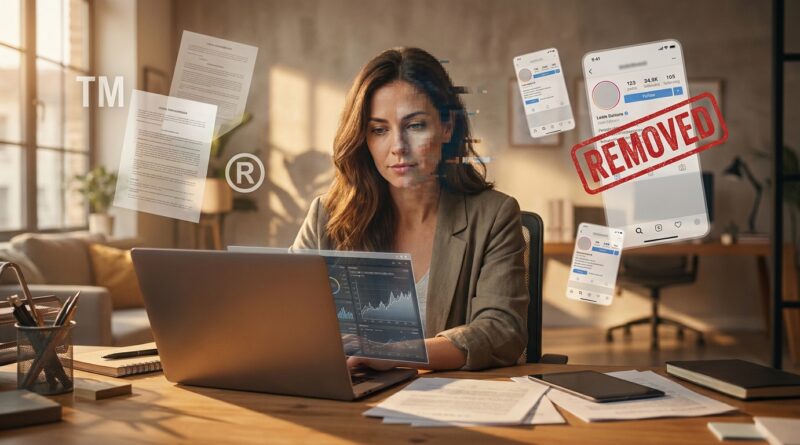
New ‘AI Impersonation’ Bill Quietly Turns Your Face And Voice Into Trademarks In Waiting: How To Lock Down Your Digital Twin Before Scammers Do
You do not need to be famous to get deepfaked now. A founder with a decent webcam, a creator with a few reels, or a coach with a podcast can wake up to a fake ad using their face, voice, or both. Then the angry messages start. “Why are you promoting this crypto thing?” “Did you really sell this course?” It is creepy, embarrassing, and bad for business. The tricky part is most people do not know what protects them. Is it trademark law? A right of publicity claim? Fraud? Platform rules? Often it is a mix. That is why this new push around AI impersonation matters so much. Lawmakers are starting to treat your digital likeness less like a casual internet asset and more like something close to a brand identifier. In plain English, your face and voice may soon work a lot more like business assets. That means it is smart to lock them down before a scammer does.
⚡ In a Hurry? Key Takeaways
- AI impersonation trademark protection for digital likeness is becoming more real as lawmakers connect fake face-and-voice content to brand confusion and consumer harm.
- Start now by documenting your public identity, registering core trademarks, saving proof of use, and setting up a fast takedown playbook.
- If someone clones you to sell products or endorsements, speed matters. Screenshots, URLs, ad copies, and platform reports can make the difference.
What this bill trend actually means in normal English
No, Congress is not literally turning your face into a trademark overnight.
But the legal idea is moving in that direction. If people know you by a certain face, voice, name, catchphrase, intro style, or on-camera look, that identity can act a lot like a brand marker. If a scammer uses an AI clone of that identity to sell something, customers can get confused. And confusion is exactly what trademark law cares about.
That is why these new AI impersonation bills matter. They are trying to draw cleaner lines around when a digital replica becomes deceptive commercial use, especially in ads, videos, livestreams, and sponsored content.
Why creators and small founders should care right now
Big celebrities have lawyers on speed dial. Most solo founders do not.
If you run your business through your personal brand, your face and voice are not just “content.” They are part of the product. People buy because they trust you. So when someone fakes your likeness, they are not only stealing clips. They are hijacking trust.
This can lead to:
- Fake endorsements
- Phony coaching offers
- Scam product ads
- Counterfeit webinars or livestreams
- Affiliate fraud using your image
- Damage to your real brand when customers blame you
The three buckets people keep mixing up
This is where non-lawyers get stuck. So let’s make it simple.
1. Trademark
Trademark protects source identity. That means the names, logos, slogans, and sometimes distinctive elements that tell people who is behind a product or service.
If your likeness is being used in a way that confuses buyers into thinking you approved or created something, trademark issues may be part of the case.
2. Right of publicity or likeness rights
This covers unauthorized commercial use of your name, image, voice, or persona. Rules vary by state, which is annoying, but the basic idea is straightforward. Someone should not be able to use you to sell their stuff without permission.
3. Plain old scam or fraud
Sometimes the issue is not subtle. It is just fraud. Fake account. Fake ad. Fake testimonials. Fake promises. In those cases, platform reports, consumer protection complaints, and payment processor reports can matter as much as legal claims.
If you want a broader look at where this is heading, New Global Deepfake Crackdowns Quietly Turn Your Face Into a ‘Mini-Trademark’: How Small Brands Can Lock Their Likeness Before The Next Law Hits does a good job showing how fast the rules are changing.
So can your face and voice really become business assets?
Yes. In practical terms, they already are.
If your audience recognizes your voice on a podcast intro, your face in short-form video, your name on a course, or your style in livestreams, then those traits are doing brand work. They help consumers identify the source. That is why scammers copy them.
The law is now catching up to what the market already figured out.
Your step-by-step plan to lock down your digital twin
You do not need to do everything in one weekend. But you should start.
Step 1: Identify what is actually “you” in the market
Make a list of the signals customers use to recognize you.
- Business name
- Personal brand name
- Podcast or channel name
- Tagline or repeated catchphrase
- Logo and visual style
- Headshot style
- Signature intro or sign-off
- Voice clips used in promos
- Your common on-camera look and background setup
This helps you see what should be protected first.
Step 2: Register the basics before you need them
If you sell under a business or creator brand, look at trademark registration for the names and slogans that matter most. This is usually the cleanest first move because it creates a stronger paper trail when you need to force a takedown.
Do not assume your Instagram handle is enough. It is not.
Step 3: Save proof that the market links these assets to you
Keep records showing that buyers connect your likeness and branding to your real business.
- Website screenshots
- Sales pages
- Press mentions
- Subscriber counts
- Ad campaigns
- Customer testimonials
- Screenshots of official social profiles
This can help show consumer recognition and confusion later.
Step 4: Write a simple likeness use policy
If you work with editors, affiliates, contractors, or agencies, put it in writing. Spell out how your image, voice, and clips can and cannot be used.
Include rules for:
- AI voice cloning
- Synthetic video edits
- Repurposed testimonials
- Paid ads using your face
- Partner posts and sponsor spots
This does not stop every bad actor, but it closes easy loopholes.
Step 5: Watermark your official channels
Not with ugly giant logos across your forehead. Just enough consistent branding that customers learn what “official” looks like.
Use:
- Verified links in bios
- A consistent domain
- A branded landing page for offers
- A public “official accounts” page
When a fake account appears, your audience has a quick way to compare.
Step 6: Build a takedown kit before you need it
This is the boring step that saves your sanity later.
Create a folder with:
- Your trademark filings or registration numbers
- Government ID or business formation docs
- Links to your official accounts
- Brand asset files
- Template takedown notices
- Platform reporting links for Meta, YouTube, TikTok, X, LinkedIn
When someone posts a fake endorsement at 11:40 p.m., you do not want to start hunting for PDFs.
Step 7: Monitor your likeness like you monitor your website
Set alerts for your name, brand, and product names. Search your own face and video snippets on major platforms once in a while. Check for scam ads in Meta’s ad library if you are often featured in promotions.
This is basic digital hygiene now.
What to do the moment you find an AI clone of yourself
Take a breath. Then move fast.
First hour checklist
- Take screenshots of everything
- Save URLs
- Record the page or ad if it is video
- Note dates, times, and platform names
- Capture comments showing customer confusion
- Report the content to the platform
- Warn your audience on your real channels
Then decide which lane fits best
Ask three simple questions:
- Is this confusing customers about who is behind the offer? That points toward trademark issues.
- Is this using my face, name, or voice commercially without permission? That points toward likeness or publicity rights.
- Is this obviously a con or fake account stealing money? That points toward fraud and platform enforcement.
Often the answer is all three.
Where the law is heading
The direction is clear even if the details are still changing.
Lawmakers are trying to make it easier to go after unauthorized digital replicas when they are used to mislead people, especially in commercial settings. Video is a major focus. Livestreaming is another. AI-generated endorsements are right in the crosshairs because they are so easy to fake and so believable.
That does not mean every meme, parody, or weird remix becomes illegal. Context still matters. Commercial deception matters most.
For small brands, the lesson is simple. The more clearly you treat your identity as part of your brand now, the easier it will be to defend later.
Common mistakes that make this worse
- Waiting until a scam goes viral before filing trademarks
- Assuming copyright alone will solve a likeness problem
- Using inconsistent brand names across platforms
- Letting contractors train AI tools on your voice without clear permission terms
- Ignoring fake fan pages that slowly turn into scam funnels
Do you need a lawyer right away?
Not always. But sometimes, yes.
If the fake content is clearly selling products, taking payments, impersonating your business, or causing real customer harm, get legal help quickly. The more money involved, the less this is a DIY situation.
If it is a smaller fake account or a copied clip, you may be able to start with platform takedowns, audience warnings, and documentation while you figure out the next step.
At a Glance: Comparison
| Feature/Aspect | Details | Verdict |
|---|---|---|
| Trademark protection | Best for names, slogans, and source confusion when fake AI content looks like an official offer or endorsement. | Strong first layer for brand-driven founders. |
| Likeness and voice rights | Useful when someone uses your face, voice, or persona commercially without approval. Rules vary by location. | Important backup, especially for personal brands. |
| Platform enforcement and scam response | Fastest move when fake ads, cloned videos, or impersonation accounts are live and causing harm right now. | Use immediately, but do not rely on it alone. |
Conclusion
Your face, voice, and on-camera style are no longer just personal quirks floating around the internet. For many creators and founders, they are part of the business. That is why AI impersonation trademark protection for digital likeness is becoming such a big deal. Lawmakers are moving fast to clarify how trademark law applies to digital replicas of real people, especially in video, livestreaming, and AI-generated content. The smart move is not to wait for a scammer to test the limits first. Lock in your brand basics, document your public identity, and build a response plan now. That way you stay one cycle ahead of copycats instead of cleaning up the mess after your digital twin has already been out selling nonsense in your name.