New US Bill Targets App Store ‘Self‑Preferencing’: What It Quietly Means For Your Trademark On Big Platforms
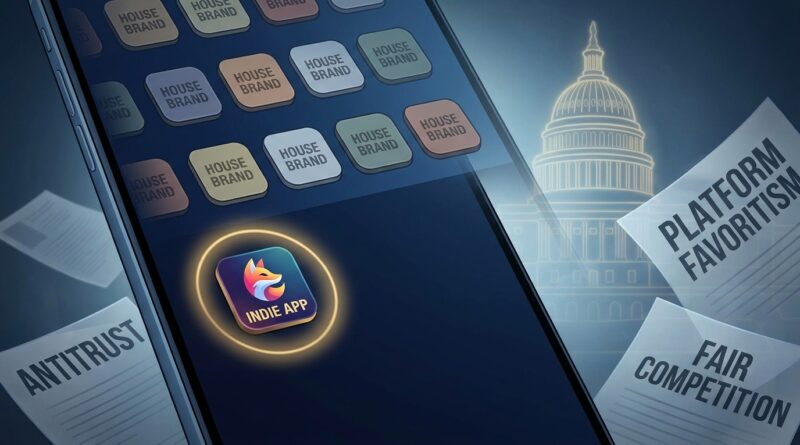
You spend years building a name people trust, then a giant platform sticks its own app at the top and your brand gets shoved out of sight. That is the part many founders, creators, and app teams find maddening. The fight is not just about search ranking or store placement. It can turn into a trademark problem fast. If customers search for your brand, but the platform keeps steering them toward its own competing product, your hard-won identity starts losing practical value. That is why the revived American Innovation and Choice Online Act matters more than its dry name suggests. If Congress moves this bill forward, Apple, Google, and other large platforms may face tighter limits on favoring their own apps and services. For smaller brands, that could mean a fairer shot at being found. It could also mean new rules, new complaint systems, and new chances to push back when a platform’s “house brand” drifts too close to yours.
⚡ In a Hurry? Key Takeaways
- The American Innovation and Choice Online Act could limit app stores and major platforms from giving their own apps unfair placement over yours.
- If your brand depends on app store search, default settings, or marketplace visibility, start documenting where platform favoritism may be hurting your trademark now.
- This is not automatic protection, but it could give digital brands better footing when challenging confusing rankings, bundling, or copycat positioning.
What this bill is really about
The American Innovation and Choice Online Act is aimed at large online platforms that act like gatekeepers. Think app stores, giant marketplaces, and search-driven ecosystems where one company controls the shelf, the signs, and sometimes the cash register too.
The core idea is simple. If a platform runs the marketplace, it should not quietly rig that marketplace to favor its own products over everyone else’s. That can include ranking its own app higher, making its app the default, preinstalling it in a way rivals cannot match, or using data from other sellers to compete against them.
For regular users, that may sound like a competition issue. For founders and brand owners, it is also a trademark issue. Visibility and brand meaning are tied together. If users cannot easily find your genuine app or service, your trademark starts doing less of the job it was meant to do, which is helping people find the real source of a product.
Why trademark owners should care
A trademark is not just a logo filed with the government. In the real world, it is the shortcut people use to find you. If someone types your brand name into an app store or platform search bar, they expect to see you, not a platform-owned substitute parked in front of them.
That is where self-preferencing gets messy.
Imagine your meditation app is called CalmNest. Users search “CalmNest.” But the platform’s own wellness app appears first, with a highlighted badge, a bigger install button, and a default tie-in with the phone’s settings. Even if your trademark is valid, the platform has changed the buying environment around it.
That does not always create classic trademark infringement by itself. But it can weaken your brand in practical ways:
Search confusion
If the platform’s design suggests its own app is the “official” or “best” result when users searched for your mark, customers may never reach you.
Default bias
People often use whatever is preinstalled or easiest to open. A default can beat a better-known brand simply because it is one tap closer.
Bundling pressure
If a platform bundles its own app with payments, cloud storage, sign-in tools, or device features, your brand may look less complete even when your app is better.
Brand dilution by placement
Your mark may stay legally intact on paper while losing commercial punch because the platform keeps surrounding it with house alternatives and special labels.
What changes if the bill gains traction
If this bill becomes law in a meaningful form, big platforms may need to be more careful about how they rank and promote their own products. That does not mean your app suddenly jumps to number one. It does mean the platform could face more scrutiny if it puts its thumb on the scale.
For trademark owners, that could quietly shift several things.
1. Complaints may become more concrete
Right now, many founders know something feels unfair, but proving harm is tough. If self-preferencing rules become clearer, a brand owner may be able to point to specific conduct instead of making a general complaint about “bad visibility.”
2. Platform records may matter more
Ranking logic, default placement choices, and internal reasons for promoting house apps could become more important in disputes. That matters if your trademark claim overlaps with discoverability issues.
3. Compliance tools could appear
Big platforms may roll out dashboards, appeal forms, or labeling systems to show they are treating rivals fairly. Those tools will not be perfect, but smart brands should be ready to use them.
4. Your trademark strategy may need updating
If platform behavior changes, your legal team may want to look at app titles, keyword use, brand variations, screenshots, and store descriptions to make sure your mark is easy to identify and defend.
What the bill does not magically fix
It is worth keeping expectations realistic. This bill would not ban all platform-owned products. It would not guarantee equal traffic. It would not turn every disappointing ranking result into a legal violation.
And it would not replace trademark law.
If another app is using a confusingly similar name, icon, or listing text, you still may need a normal trademark complaint, takedown request, or lawsuit. The bill is more about market conduct by gatekeepers than about solving every brand dispute on the internet.
Still, market conduct shapes trademark value. If the road to your brand is blocked, your legal rights can feel much smaller than they look on paper.
Three real-world pressure points to watch
Branded search results
Run searches for your brand name, your common misspellings, and your product category on every major platform that matters to you. Take screenshots. Note where your app appears, whether platform-owned alternatives are pinned higher, and whether labels or badges create confusion.
Default settings and device integration
If a platform’s own app is tied into voice assistants, settings menus, payment prompts, or system notifications, ask a hard question. Is that convenience for the user, or a built-in advantage that shuts out rival brands?
Bundled features that make your brand look incomplete
Some platform products win not because users chose them freely, but because they came attached to storage, family sharing, maps, or account login features. That can make your independent brand seem second-tier even if customers prefer it once they try it.
What founders and app teams should do right now
You do not need to wait for Congress to finish the story before getting organized.
Audit your discoverability
Search your mark across app stores, marketplaces, and any large platform where customers find you. Save dated screenshots. Repeat monthly.
Document platform favoritism in plain English
Keep a running log. Example: “On June 15, users searching our brand saw Platform App first, with an editor badge and auto-open prompt.” This kind of record is useful for lawyers, regulators, and internal planning.
Review your trademark coverage
Make sure your main brand, app name, and key product extensions are properly filed in the classes that fit your business. If your store listing and your registration do not match well, fix that before a dispute starts.
Tighten your store listing
Use your exact brand name consistently in the title, subtitle, developer name, and visuals where allowed. Mixed naming creates openings for confusion.
Prepare a response plan
If a platform launches a house product too close to yours, who handles it? Legal? Marketing? Partnerships? Customer support? Decide now, not during a panic.
Why this matters beyond app stores
Even though app stores are the easiest example, the same issue can show up in marketplaces, search tools, smart device ecosystems, travel platforms, and shopping feeds. The company that owns the shelf has a lot of subtle ways to guide buyers.
For digital-first brands, trademark protection is no longer just about stopping obvious copycats. It is also about making sure your identity is not quietly crowded out by platform design choices that look neutral on the surface but favor the platform’s own products underneath.
At a Glance: Comparison
| Feature/Aspect | Details | Verdict |
|---|---|---|
| Self-preferencing limits | The bill targets conduct where major platforms favor their own apps or services in ranking, defaults, or access. | Potentially helpful for smaller brands, but not a guaranteed fix. |
| Trademark impact | Your mark may become easier to defend in practice if users can find your genuine app without platform steering. | Important for brands that depend on search and store visibility. |
| Best step right now | Track your rankings, review your trademark filings, and keep evidence of confusing platform behavior. | Smart move even if the bill changes or stalls. |
Conclusion
The American Innovation and Choice Online Act app store trademark impact is easy to miss if you only read it as an antitrust story. For founders, app makers, and online brands, it is also about whether your name can still do its job when a giant platform controls what people see first. This helps the community today because the bill was just reintroduced in Congress, which means the rules of the game for app stores and major online platforms may shift faster than most founders realize. Digital brands that understand how trademark rights interact with ranking, default placement and bundling will be in a much stronger position to negotiate with platforms, react to new compliance tools and avoid waking up to find their visibility throttled while “house brands” quietly move into their lane.