New USPTO NFT Guidance Quietly Redefines ‘Goods’: What Digital Creators Must Change In Their Trademark Filings Today
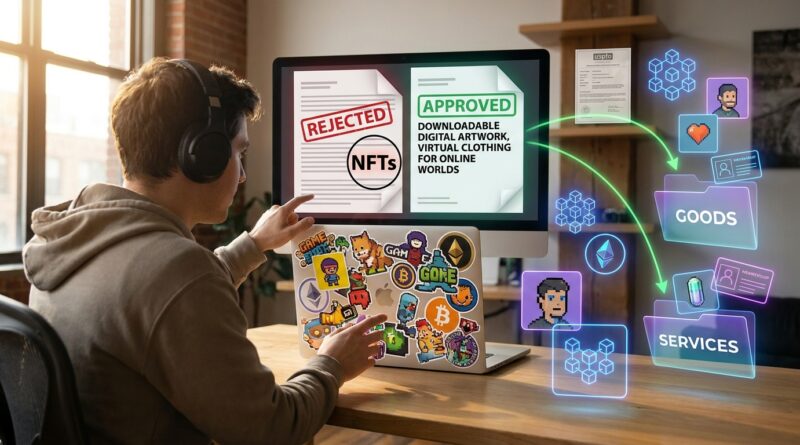
You did the hard part. You built the collection, named the project, set up the drop, maybe even got a little momentum on Discord or X. Then the trademark filing hits a wall because the USPTO says your “NFTs” are not the goods. That is a brutal surprise, especially when copycats can move faster than the paperwork. The new USPTO NFT trademark guidance 2026 makes something very clear that many creators, founders, and even some filing templates got wrong. A non-fungible token is treated as a digital certificate of authenticity or ownership record, not the actual product being sold. So if your application just says “NFTs” or “downloadable NFTs,” you may be describing the wrapper, not what is inside it. The fix is not to panic. It is to rewrite filings so they point to the real thing, like downloadable artwork, game items, videos, music files, or the access services the token unlocks.
⚡ In a Hurry? Key Takeaways
- The USPTO now treats NFTs alone as certificates, not trademark “goods,” so filings must identify the underlying digital content or services.
- If your application uses old wording like “downloadable NFTs,” update it to describe what buyers actually get, such as digital art, skins, videos, music, or token-gated access.
- This is worth fixing now because vague NFT language can lead to delays, refusals, and weaker protection while copycats move into the market.
What changed, in plain English
The big shift is simple once you strip away the legal language. The USPTO is saying an NFT is not the product. It is the pointer, receipt, or certificate tied to a product or right.
Think of it like this. If you sell a concert ticket, the ticket is not the concert. If you sell a certificate for a signed print, the certificate is not the artwork. The same logic now shows up more clearly in trademark review.
That means “NFTs” by themselves are usually too vague, and sometimes flat-out wrong, if you are trying to claim goods in commerce. The office wants to know what the buyer actually receives or accesses.
Why this matters to creators right now
This is not just a wording issue. It affects whether your trademark application gets through, how broad your protection is, and whether your filing actually matches your business.
If your mark covers only sloppy NFT language, you may end up with:
- Office actions asking for clarification
- Longer delays before publication or registration
- Narrower rights than you expected
- Gaps that let competitors file cleaner applications for the same brand area
That hurts even more in web3 because projects move fast. A few months of delay can mean your brand name is already being copied across marketplaces, game mods, and social channels.
What the USPTO wants you to describe instead
The filing should anchor the trademark to the real commercial offering. Usually that means one of two things.
1. The underlying digital goods
If the token is tied to a file, describe the file. Examples include:
- Downloadable digital artwork authenticated by non-fungible tokens
- Downloadable virtual clothing for use in online worlds, authenticated by NFTs
- Downloadable multimedia files containing music, authenticated by NFTs
- Downloadable game items, skins, or collectibles, authenticated by NFTs
Notice the pattern. The good is the artwork, music, skin, or file. The NFT is just how it is authenticated or connected.
2. The services or access rights
Some projects are less about the file and more about what holding the token gets you. In that case, the service may matter more than the token itself. Examples could include:
- Providing online non-downloadable digital art galleries for token holders
- Entertainment services, namely providing access to members-only online communities
- Providing temporary use of online non-downloadable game assets for verified token holders
- Authentication services for digital collectibles using blockchain technology
Again, the filing should say what the customer receives. The token is not the end product.
The old advice that now needs a second look
A lot of people were told to file broad language like “downloadable virtual goods, namely NFTs” or simply “non-fungible tokens featuring digital art.” Some of that wording may still be workable if it clearly identifies the underlying content. Some of it is now asking for trouble.
The risky part is copying old templates without checking whether they describe:
- The actual downloadable file
- The virtual item used in a game or metaverse setting
- The entertainment, marketplace, authentication, or community service involved
- The role of the NFT as proof, not product
If your draft does not answer “what is the buyer actually getting,” it probably needs work.
How to clean up a trademark filing before it becomes a problem
Start with your customer promise
Ask one basic question. When someone buys this thing, what do they walk away with?
Possible answers:
- A downloadable image file
- A game skin or in-game weapon
- A music track or video clip
- Access to private events or chat channels
- Membership perks
- Physical goods linked to token ownership
Write that down in normal English first. Then build your identification around that answer.
Separate goods from services
Many web3 projects mash everything together. That is where mistakes happen.
If you sell downloadable art and also run a token-gated community, those may belong in different classes and need different wording. One part is a digital good. Another part is a service.
Use the NFT only as a modifier
A safer pattern is often: “downloadable X, authenticated by non-fungible tokens” or “providing Y services for holders of non-fungible tokens,” depending on the business.
That keeps the legal focus on the thing that has trademark significance in trade.
Check older applications in your portfolio
If you filed in the last few years using generic NFT language, review those applications now. Look for office actions, pending amendments, or registrations that may not cover what you thought they covered.
This is especially important for indie studios and solo creators who filed once and assumed the problem was solved forever.
Examples that make this easier
Bad or weak approach
“Non-fungible tokens.”
Problem: It does not clearly say what the customer is buying.
Better approach for art
“Downloadable digital image files featuring artwork, authenticated by non-fungible tokens.”
Why it works better: The goods are the image files featuring artwork.
Better approach for gaming
“Downloadable virtual goods, namely digital skins and in-game collectibles for use in online video games, authenticated by non-fungible tokens.”
Why it works better: It names the actual virtual items.
Better approach for token-gated membership
“Providing online chat rooms and members-only digital community forums for holders of blockchain-based tokens.”
Why it works better: It describes the service being provided.
Who needs to act fastest
This guidance matters to almost anyone building a brand around blockchain-backed digital experiences, but a few groups should move now.
- Artists launching collectible drops
- Game developers selling skins, avatars, or item packs
- Studios building token-gated communities
- Music and video creators tying access to on-chain ownership
- Agencies and lawyers still using 2021 or 2022 NFT templates
If that sounds like you, this is not a “nice to know” update. It is a filing strategy change.
What this does not mean
It does not mean NFT-related brands cannot get trademark protection. They can.
It does not mean blockchain projects are being singled out unfairly either. The USPTO is applying a basic trademark rule. You must identify the goods or services in a way that makes commercial sense.
And it definitely does not mean your brand is doomed if you already filed. It just means you may need cleaner wording, amendments where allowed, or a better new application that actually matches your business model.
A practical checklist before your next filing
- List every thing your buyer gets. Files, items, access, perks, events, memberships.
- Sort each one into goods or services.
- Draft wording around the underlying content, not just the token.
- Check whether multiple classes are needed.
- Review pending applications for vague “NFT” wording.
- Do not copy an old template just because it worked for someone else two years ago.
At a Glance: Comparison
| Feature/Aspect | Details | Verdict |
|---|---|---|
| “NFTs” as the listed goods | Describes the token itself, which the USPTO treats like a certificate or record rather than the actual product in trade. | Weak and likely to trigger problems |
| Underlying digital files or virtual items | Names what the customer really gets, such as artwork, music, videos, skins, or collectibles, with NFT authentication noted as part of the description. | Best approach for digital goods |
| Token-gated access or community perks | Focuses on the service being delivered, like access to forums, events, entertainment, or online platforms for token holders. | Best approach for access-based projects |
Conclusion
If you remember one thing from the new USPTO NFT trademark guidance 2026, make it this. The NFT is not the good. It is the certificate tied to the good, or the key that unlocks a service. That sounds like a small wording change, but it can completely change whether your filing protects the business you are actually building. For web3 founders, digital artists, gaming teams, and indie creators, this update quietly turns a lot of old NFT trademark advice into bad advice. The good news is that the fix is very doable. Reword your identifications around the actual files, virtual items, or access rights you sell. Review older applications before they become expensive dead ends. And if your brand matters, move sooner rather than later, because the cleanest filing often wins the race when a market gets crowded.