China’s New Trademark Draft Quietly Targets Cross‑Border Ecommerce: What US Brands Must Fix In Their Online Labels Now
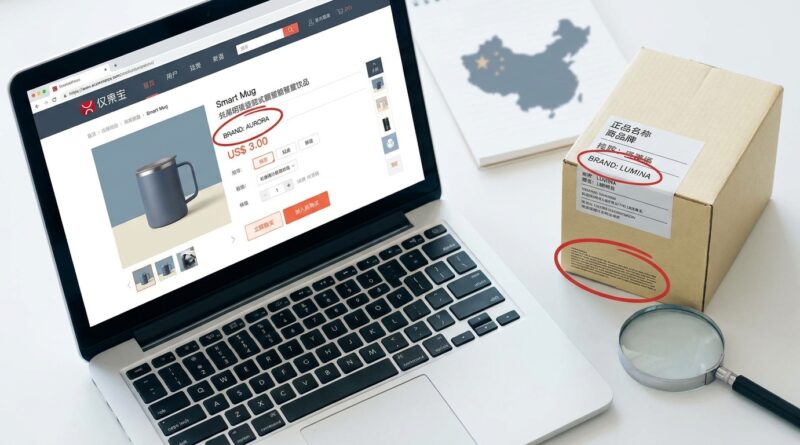
You finally got your products selling into China. Then the paperwork headache shows up. That is the frustrating part. Most small brands assume trademark protection is about what is filed in a database. China’s new trademark draft suggests it is also about how your brand actually shows up online, on packaging, on product pages, and in the words buyers see before they click “buy.” If you sell through Amazon, TikTok Shop, Temu, AliExpress, or your own site, that matters right now. Sloppy translations, inconsistent brand names, keyword-stuffed listings, and copy-pasted labels are not just messy. They could make it harder to prove proper trademark use or defend your rights later. The good news is you do not need to wait for an expensive legal memo to start fixing this. A simple audit of your online labels and product listings can clean up the biggest weak spots before the draft rules harden into enforcement.
⚡ In a Hurry? Key Takeaways
- China’s new trademark law online labeling requirements for US ecommerce brands are heading toward a tighter link between trademark rights and how goods are presented online and on packaging.
- Start by checking that your English brand name, Chinese brand name, product title, images, packaging, and storefront all match exactly across every sales channel.
- This is not just a branding clean-up. It can help reduce takedown risk, strengthen proof of trademark use, and avoid costly mistakes in China’s ecommerce market.
Why this draft matters more than it sounds
Trademark law updates can sound like something only giant companies care about. But this one hits smaller ecommerce brands right where they live. On listings. On labels. On marketplace pages. On translated packaging files sent to a printer at 11 p.m.
The core issue is simple. China is signaling that trademark use is not just about owning a registration. It is also about using the mark in a real, consistent, identifiable way in commerce. For cross-border sellers, “commerce” now very clearly includes digital presentation.
That means your product page is no longer just marketing. It may become evidence.
What appears to be changing
The draft overhaul has been read by many brand watchers as part of a broader effort to clean up bad-faith filings, sharpen enforcement, and tie rights more closely to genuine commercial use. For US sellers, the practical takeaway is this: what your customer sees online needs to line up with what your trademark registration actually covers.
If your registered brand is “NorthVale,” but your packaging says “North Valley,” your Chinese storefront uses a phonetic translation, and your TikTok videos tag the product under a nickname, you may be creating a paper trail full of confusion.
That confusion can hurt you in a few ways:
- It may weaken your proof that you are using the registered mark consistently.
- It may make platform enforcement harder if you need to challenge copycats.
- It may open the door to disputes over which version of your mark is the real one in China.
- It may trigger listing or customs issues if labels and registrations do not match.
The biggest risk for US brands is not filing. It is inconsistency.
Most founders know they should file trademarks in China early. Fewer realize the mess often starts after filing. A distributor tweaks the translation. A marketplace manager shortens the brand name to fit mobile. A designer moves the mark off the main image. A supplier prints old packaging.
None of that feels dramatic in the moment. Together, it can create a record that looks sloppy, scattered, or even misleading.
Where brands usually slip up
These are the most common weak spots:
- Different brand names across channels. Amazon says one thing, Temu another, packaging a third.
- No settled Chinese-language version. The Chinese name changes by seller, agency, or platform.
- Trademark used as a product description. The mark gets buried in generic copy instead of shown as a source identifier.
- Main images that do not show the brand clearly. Helpful for conversion maybe, less helpful as proof of use.
- Old inventory with retired branding. Common after a minor rebrand.
- Machine-translated labels. Fast, cheap, and often a problem.
What “online labeling” really means in practice
Do not think only about the physical sticker on the box. For cross-border ecommerce, online labeling is a mix of everything attached to the product in a digital sales environment.
That can include:
- Product titles
- Brand fields in marketplace dashboards
- Storefront names
- A+ or enhanced brand content
- Product images that show the mark
- Video overlays
- Product descriptions and bullet points
- Digital manuals and inserts
- Downloadable compliance documents
- The packaging shown in listing photos
If those elements point to different names or different owners, you are making life easier for infringers and harder for yourself.
A plain-English checklist for founders
You do not need to become a China trademark specialist overnight. You do need to run a disciplined audit. Here is the practical version.
1. Make one “master brand sheet”
Create a single document with:
- Your exact English trademark
- Your exact Chinese trademark, if you use one
- Approved spacing, capitalization, and logo versions
- Banned variations and old names
- The goods categories tied to each mark
Send this to everyone. Your agency. Your designer. Your marketplace manager. Your printer. Your sourcing team.
2. Compare every live listing to that sheet
Open each sales channel one by one. Check:
- Brand name field
- Product title
- Image set
- Description copy
- Storefront banner
- Seller profile
If the name differs even slightly, flag it. Minor changes that seem harmless in the US can matter more when rights are challenged abroad.
3. Check the packaging shown online
This one gets missed all the time. Your listing photos may still show an old box, old insert, or old logo. If the customer sees one brand online and receives another on the package, that gap can become a problem.
4. Lock down your Chinese brand version
If Chinese consumers, platforms, or resellers are already using a Chinese-language brand name for you, do not ignore that. Pick the version you want. Use it consistently. And if it matters commercially, look at registering it too.
Many US brands focus only on the English mark and later find the market adopted a different Chinese name. That can turn into a rights fight you did not see coming.
5. Save evidence of real use
Keep dated screenshots of listings, invoices, packaging photos, shipping records, and ads. If you ever need to prove use, a clean archive beats trying to reconstruct your brand history after a dispute starts.
Marketplace sellers have an extra problem
If you sell through Amazon, TikTok Shop, Temu, or another platform, you do not fully control the environment. Fields get reformatted. Mobile views trim titles. Resellers duplicate content. Platform rules can force edits.
That means you should not assume your official upload is what the customer actually sees.
Do regular front-end checks. Look at the public listing, not just the seller dashboard. Check the desktop version and the mobile version. Screenshot both.
How sloppy listings can weaken enforcement
Let’s say a copycat seller appears in China using something close to your brand. You want the platform to take it down. Or you want customs or local authorities to help. The cleaner your use record, the easier your argument tends to be.
If your own materials are inconsistent, the other side may argue:
- You are not really using the registered mark as filed.
- The disputed wording is generic or descriptive.
- Your Chinese name is not settled.
- The online presentation does not clearly identify source.
That does not mean you automatically lose. It does mean your case gets messier and more expensive.
What to fix first if you only have one afternoon
Busy founder? Start here.
- Pick your exact English and Chinese brand names.
- Update the brand field and product title on your top 20 revenue-driving listings.
- Replace any listing images showing outdated packaging.
- Remove nickname versions of the mark from bullets and descriptions.
- Save screenshots of the corrected pages with the date.
That is not a full legal cleanup. It is a smart start.
Do not rely on machine translation for trademark use
Machine translation is fine for getting the gist of a restaurant menu. It is not fine for deciding how your brand appears in a market where name consistency can affect rights.
A direct translation may be awkward, misleading, or already used by someone else. A phonetic version may sound wrong. A local marketing team may invent a catchy Chinese name that is great for sales but disconnected from your registration strategy.
That is why brand owners should treat the Chinese version of the mark as a business asset, not an afterthought.
What this means for private-label sellers and smaller brands
If you are a big global brand, you probably have local counsel, language reviewers, and a formal brand book. Smaller sellers usually do not. They often patch things together with freelancers, marketplace agencies, and suppliers.
That is exactly why this issue matters. The weak point is not your filing budget. It is your process.
A small brand with a clean, consistent use record is in better shape than a larger seller with five versions of its own name floating around online.
When to get legal help
You can do the basic audit yourself. You should get local trademark advice if:
- You do not know whether your Chinese-language mark is registered
- You are already facing a takedown or infringement claim
- A distributor or former partner registered your brand in China
- You are rebranding while still selling old inventory
- You are entering China in a regulated category such as cosmetics, supplements, or medical products
Think of the self-audit as your first pass, not a substitute for legal advice in a dispute.
At a Glance: Comparison
| Feature/Aspect | Details | Verdict |
|---|---|---|
| Brand name consistency | English mark, Chinese mark, titles, images, and packaging should all match the approved version. | Fix this first. It is the easiest win. |
| Online listing evidence | Screenshots, invoices, product photos, and dated records can help prove genuine trademark use. | Very important for future enforcement. |
| Translation quality | Machine-translated or improvised Chinese brand names can create mismatch and confusion. | Do not improvise. Standardize and verify. |
Conclusion
China’s draft trademark overhaul is moving fast, and the part many smaller brands can actually act on now is the digital presentation piece. That is where most US ecommerce sellers are exposed. Not in a courtroom. On a product page. On a box photo. In a translated title someone rushed through six months ago. If you clean up your labels, listings, and brand naming now, you put yourself in a much better spot to keep your rights, avoid platform trouble, and look more credible if a dispute pops up. You do not need to wait for a giant law firm memo to start. Pull your top listings, compare them to your trademark records, fix the mismatches, and save proof of the cleanup. That one afternoon of housekeeping could spare you a much bigger headache later.